
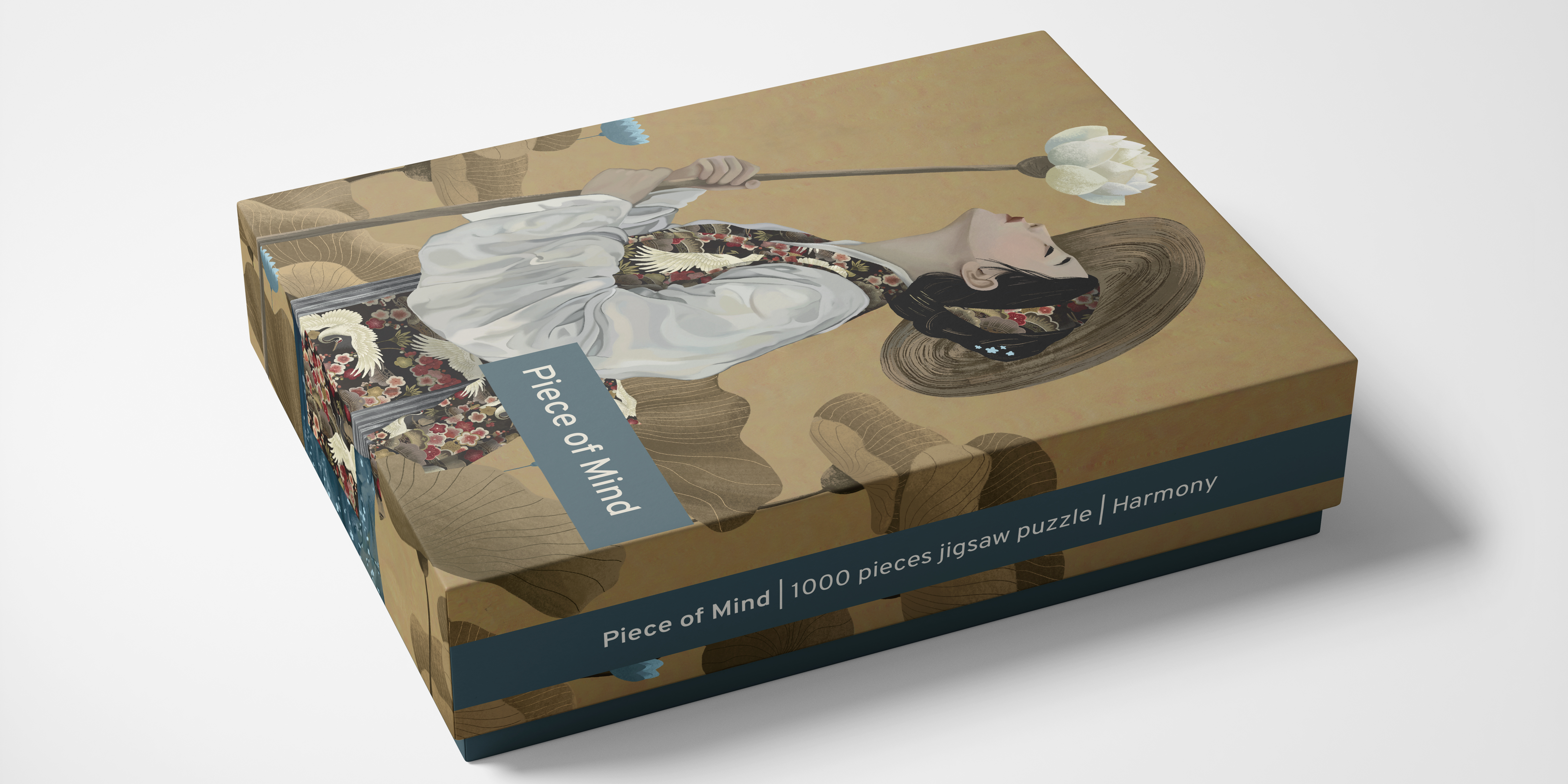
Most people enjoy jigsaw puzzles because they are relaxing, creative, and screen-free. Yet puzzles offer more than simple entertainment. By engaging attention, memory, and problem-solving skills, they provide a gentle workout for the brain—one that feels enjoyable rather than demanding.
Puzzle Therapy: Focus and Cognitive Benefits of Jigsaw Puzzles
Read more
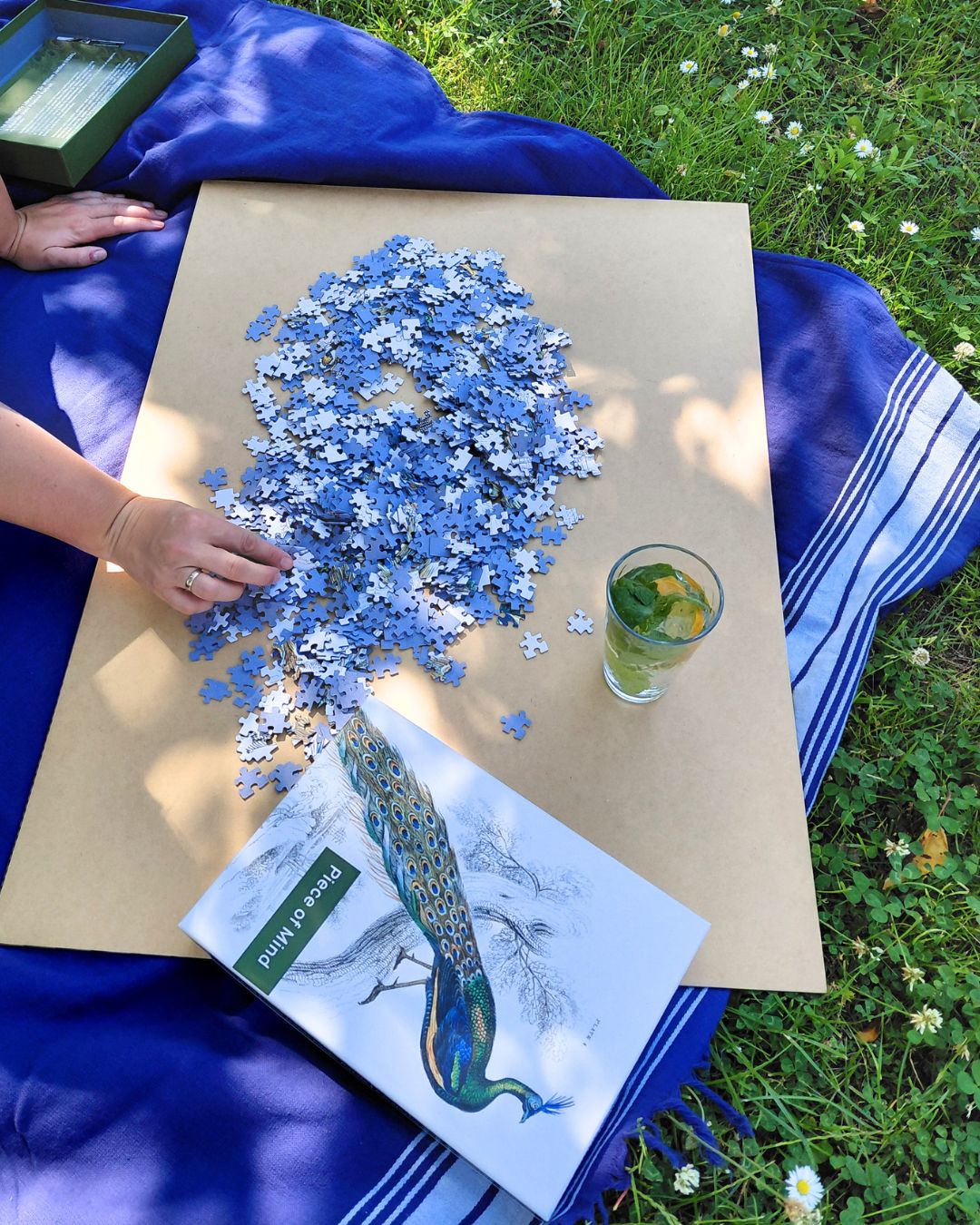
How to Get Back Into Jigsaw Puzzles as an Adult (Without Getting Bored)
For many of us, puzzles are a childhood memory. They remind us of family gatherings, rainy afternoons, and long holidays. Today, more adults are rediscovering this hobby—but some wonder whether it will still be enjoyable. The truth is that puzzling as an adult can be a completely different experience: calmer, more intentional, and surprisingly rewarding.
Why puzzles are a form of mindfulness?
When people think about mindfulness, they often imagine meditation, breathing exercises, or yoga. Yet mindfulness can also be found in simple everyday activities. One of them is doing a jigsaw puzzle. No special equipment, no complicated techniques, and no pressure to perform. Just a table, a few quiet moments, and the next piece waiting to be found.
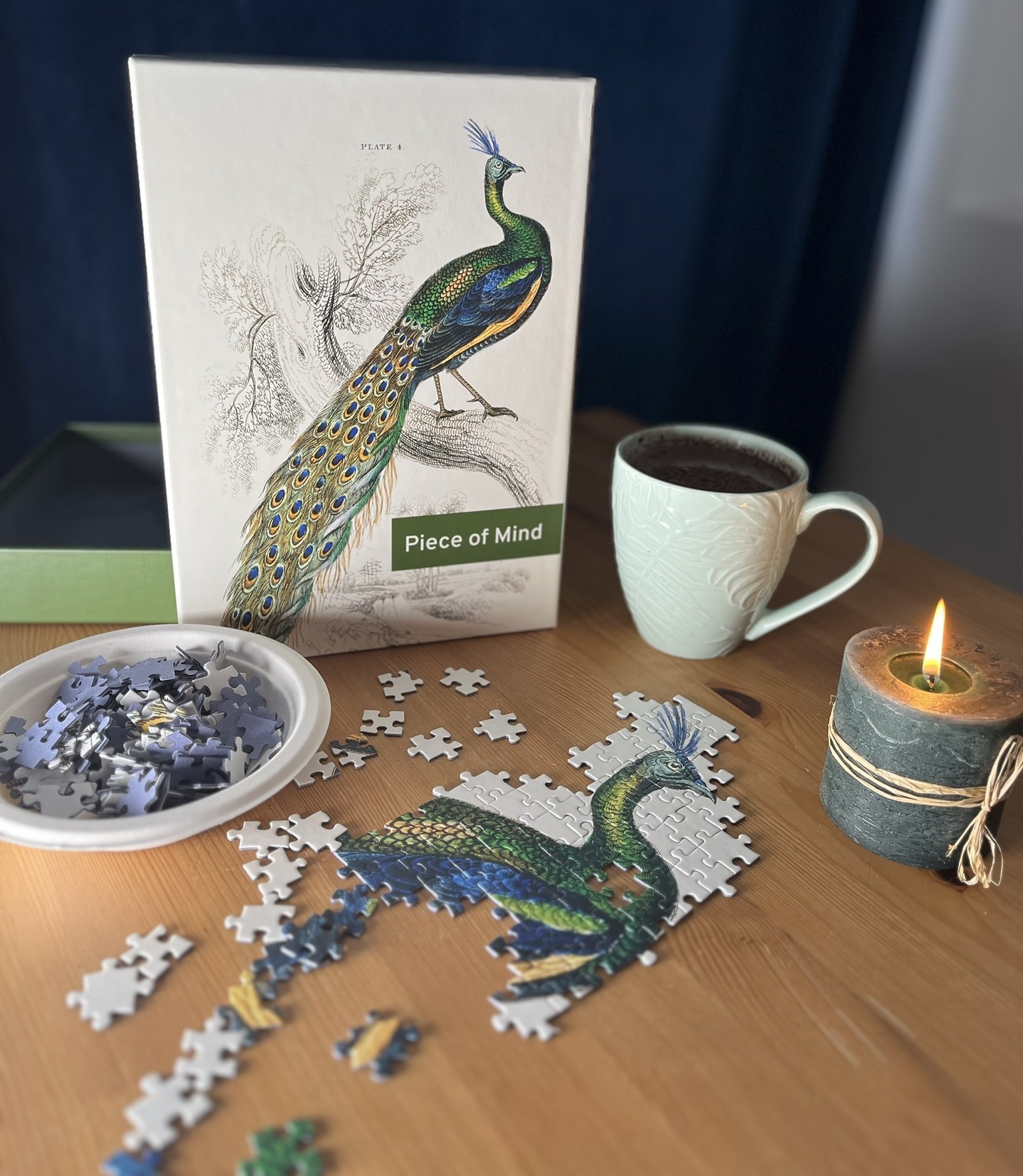
Jigsaw puzzles as a way to relieve stress – do they really help?
Do jigsaw puzzles help with stress?
In a world where everything moves at a fast pace and our attention is constantly divided, more and more people are looking for simple ways to unwind. Jigsaw puzzles for adults are making a comeback as more than just a hobby — they offer real support in managing stress and overstimulation.
But do they really work?
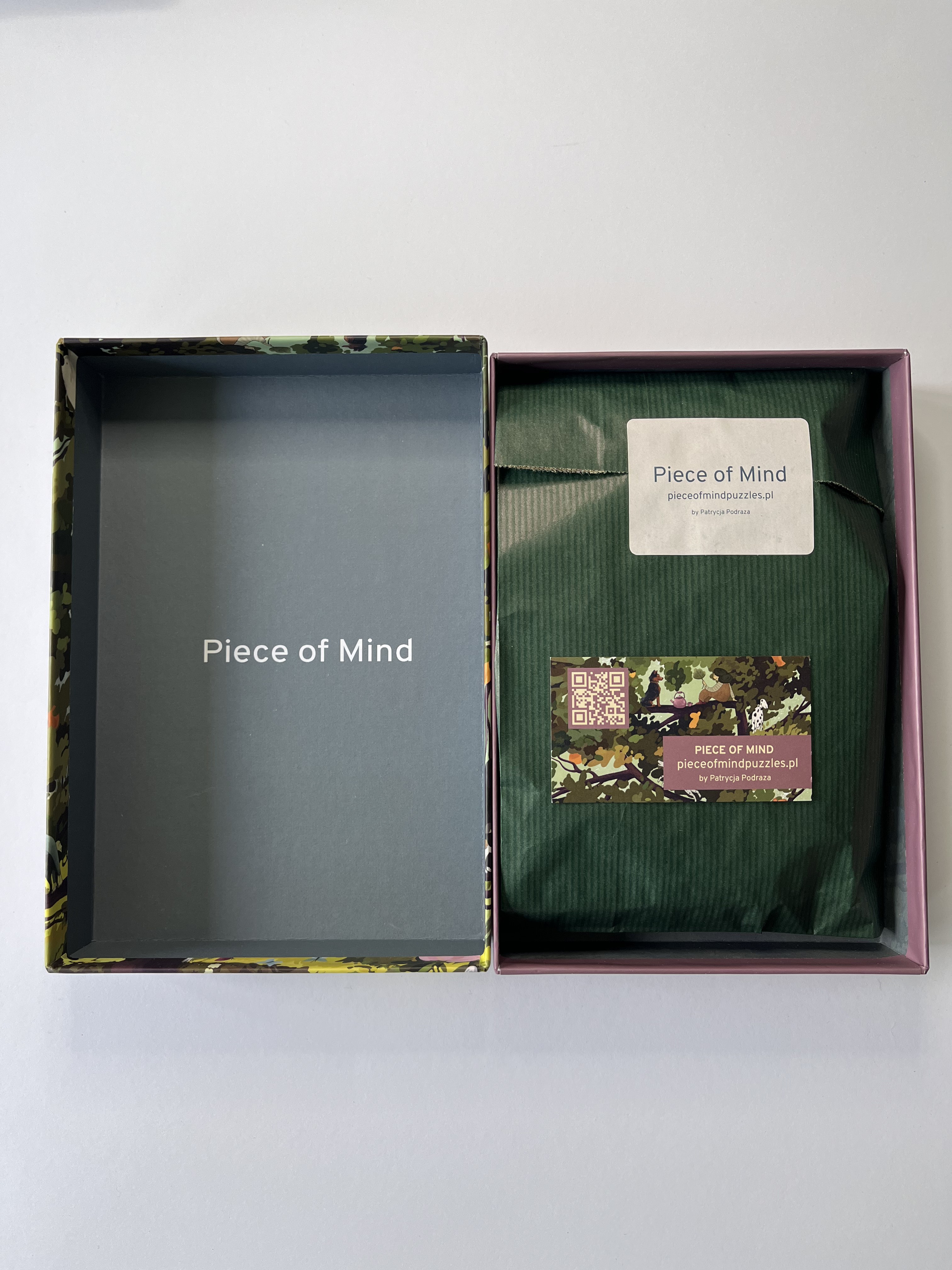
Premium jigsaw puzzles vs cheap ones – is it worth paying extra? Find out the differences
Not all jigsaw puzzles are the same. Find out how premium jigsaw puzzles differ from cheaper ones, and why quality matters when it comes to the enjoyment of putting them together.
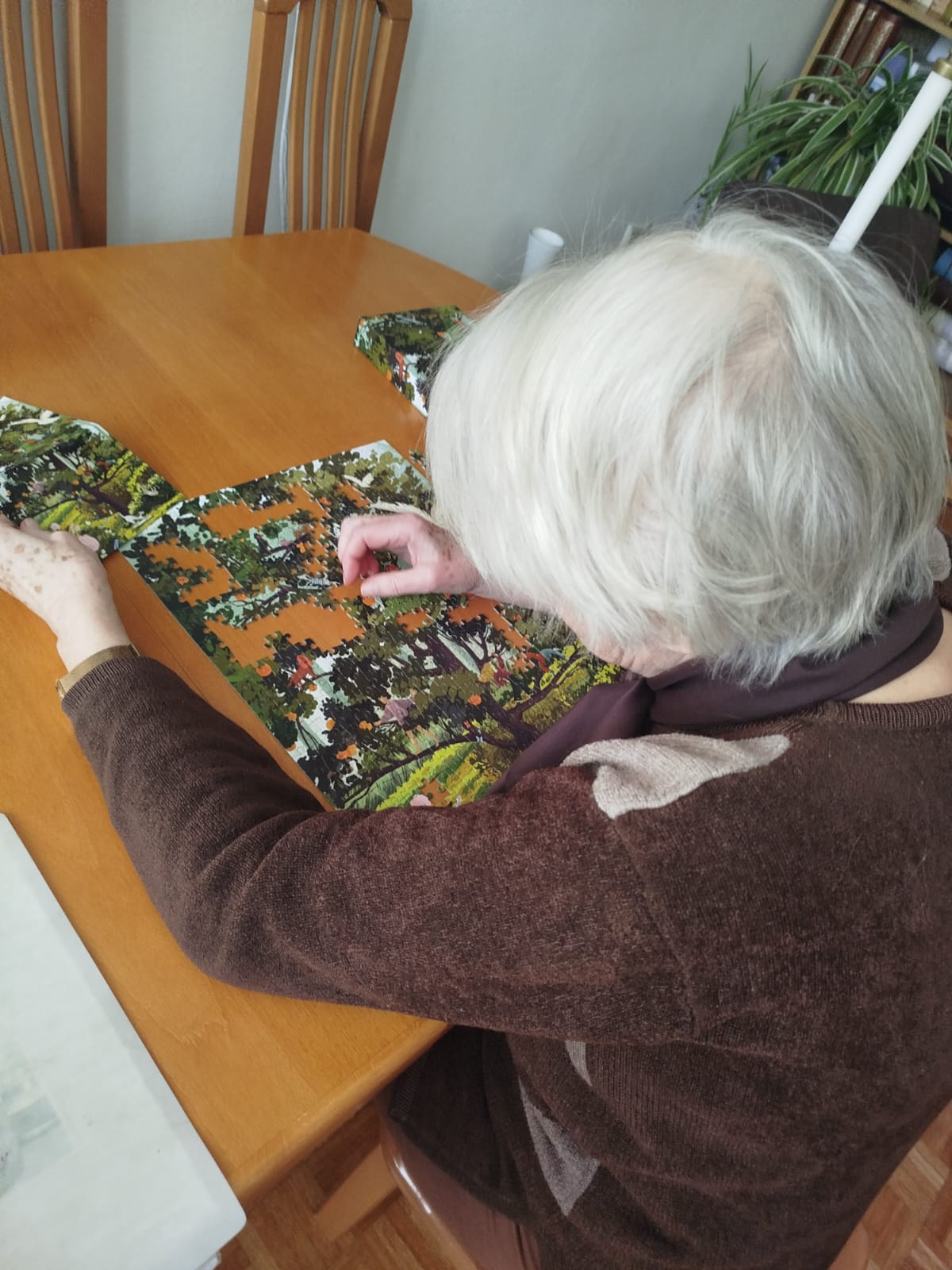
Why should seniors do jigsaw puzzles? Benefits for the mind and well-being
Putting together jigsaw puzzles is one of the simplest and most accessible ways to keep seniors' brains healthy. It combines cognitive training, relaxation, mood improvement and the opportunity to build relationships.
It proves that even seemingly small pieces can be used to create something bigger – peace of mind, satisfaction and a better quality of life.

Autumn in tune with nature – why it's worth slowing down
Autumn, although it can be a difficult and melancholic time for many of us, is in tune with the natural rhythm of nature – slowing down and resting. It is a time to allow ourselves to regenerate and take care of ourselves, instead of forcing ourselves to be constantly active. Autumn self-care consists of small rituals: candlelight, walks among the leaves, more sleep, creative evenings, or meetings with loved ones. The author also shares her own ritual – hot chocolate or tea with honey and lemon, afternoon naps, and a warm sweater to help her survive the colder days. Autumn then becomes not a depressing period, but an invitation to calm, reflection, and preparation for the new energy of spring.
How does putting together a jigsaw puzzle affect emotions?
Jigsaw puzzles are a simple way to calm down and improve your mood. Putting together a jigsaw puzzle teaches patience and allows you to slow down in a hectic world. Touch, sound, rhythm - puzzles engage the senses and help you focus on the present moment. Each matching piece is a reward for the brain and a boost of motivation. Puzzles help you enter a state of deep concentration, giving your mind a respite. It's a ritual that allows for solitude without pressure and a gentle respite from everyday life.

What do puzzles do to our brains? Psychological benefits of jigsaw puzzles
Jigsaw puzzles are more than a hobby. It's an activity that engages the body and mind in ways we often underestimate. In a world of overstimulation and constant rush, a moment spent on a jigsaw puzzle can act as a reset. But exactly what benefits does this simple ritual bring to our brain and psyche?
