
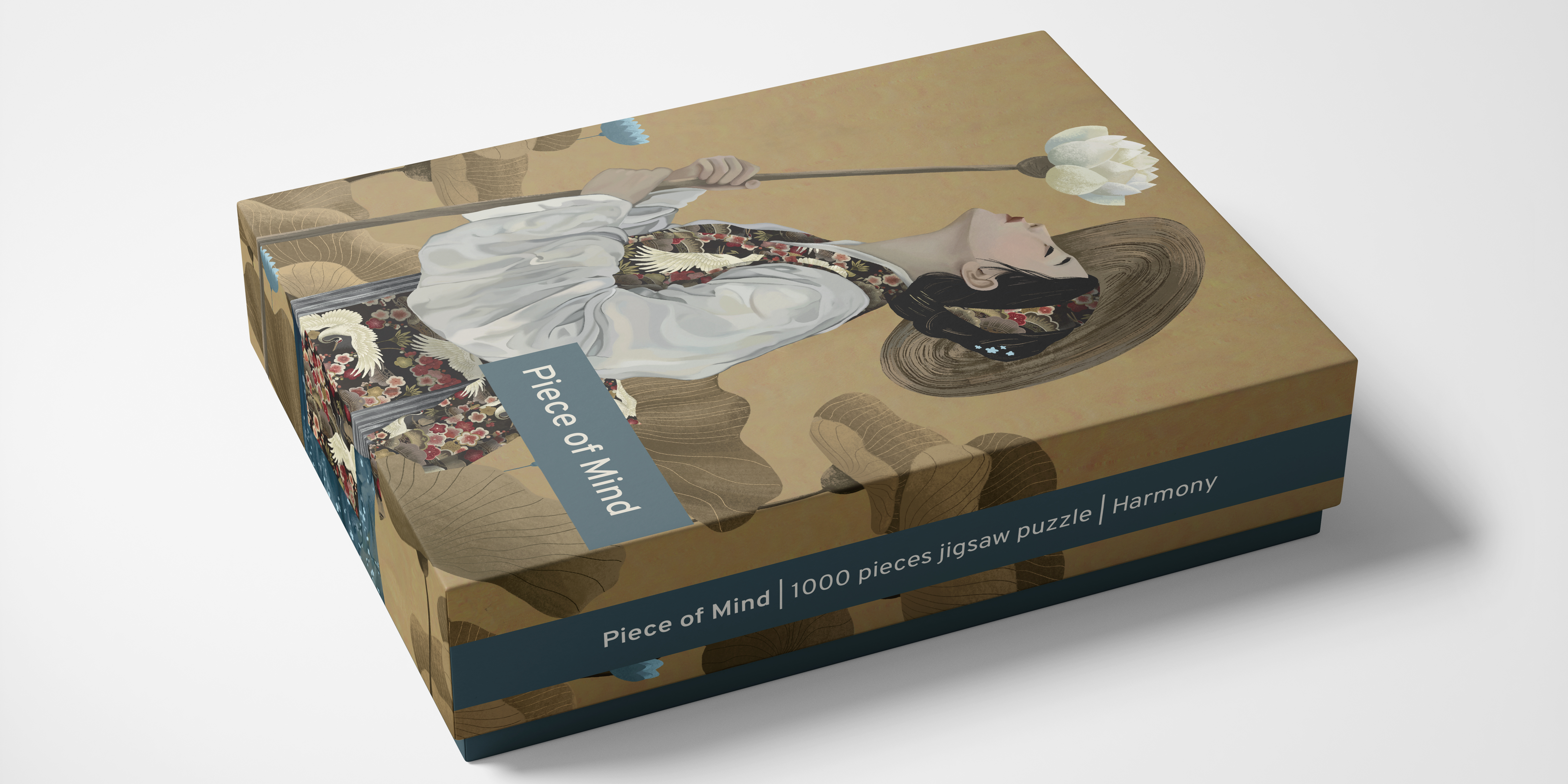
When people think of meditation, they often imagine sitting quietly with closed eyes, focusing on the breath. While traditional meditation can be a powerful practice, it is not the only way to cultivate mindfulness and calm. For many people, meditation happens through movement, creativity, or focused attention. Gardening, knitting, painting, and even walking can create a meditative state. Jigsaw puzzles belong in this category too. Piece by piece, puzzles invite us to slow down, focus on the present moment, and temporarily step away from the noise of everyday life.
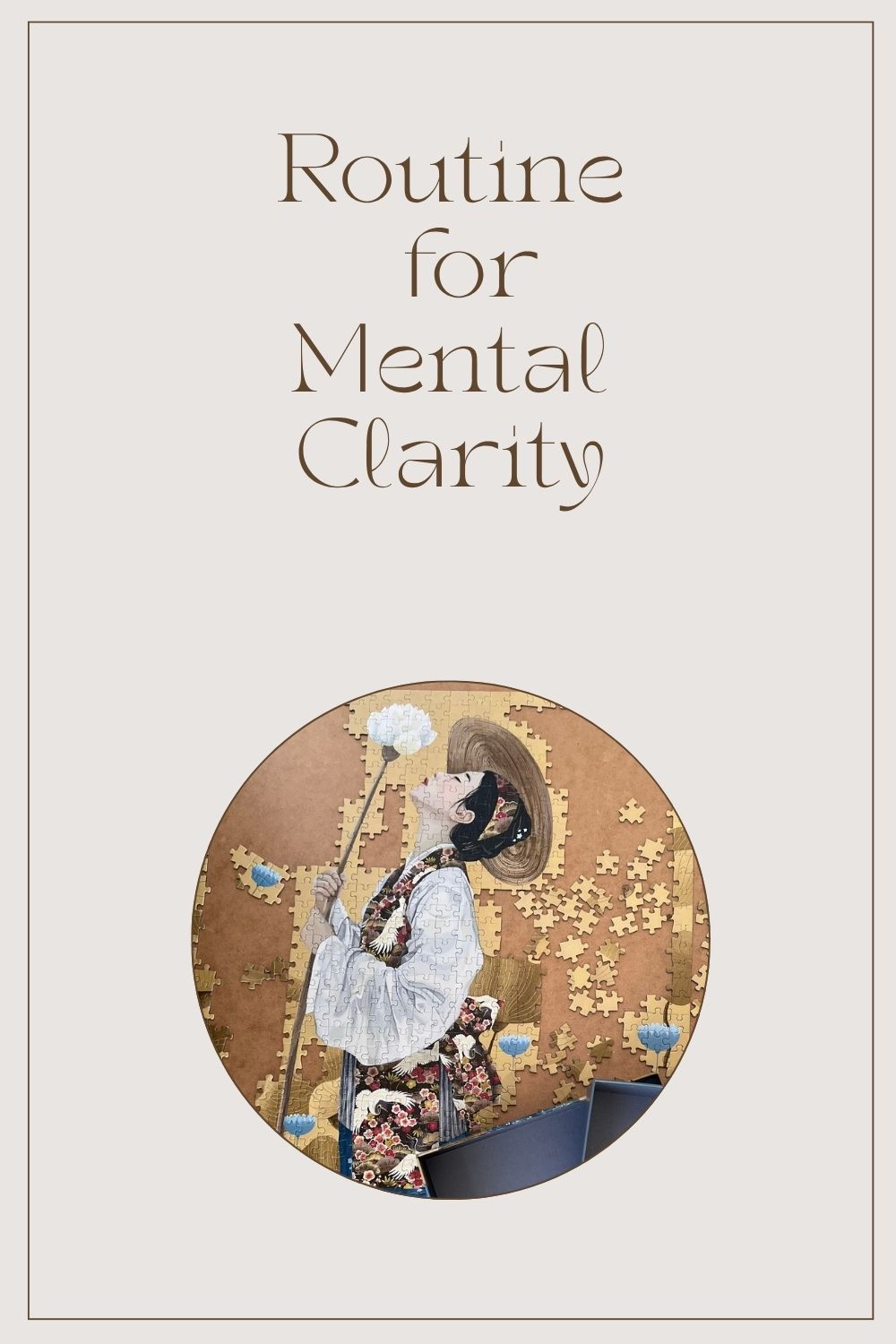
Jigsaw Puzzles as a Form of Meditation
Read more
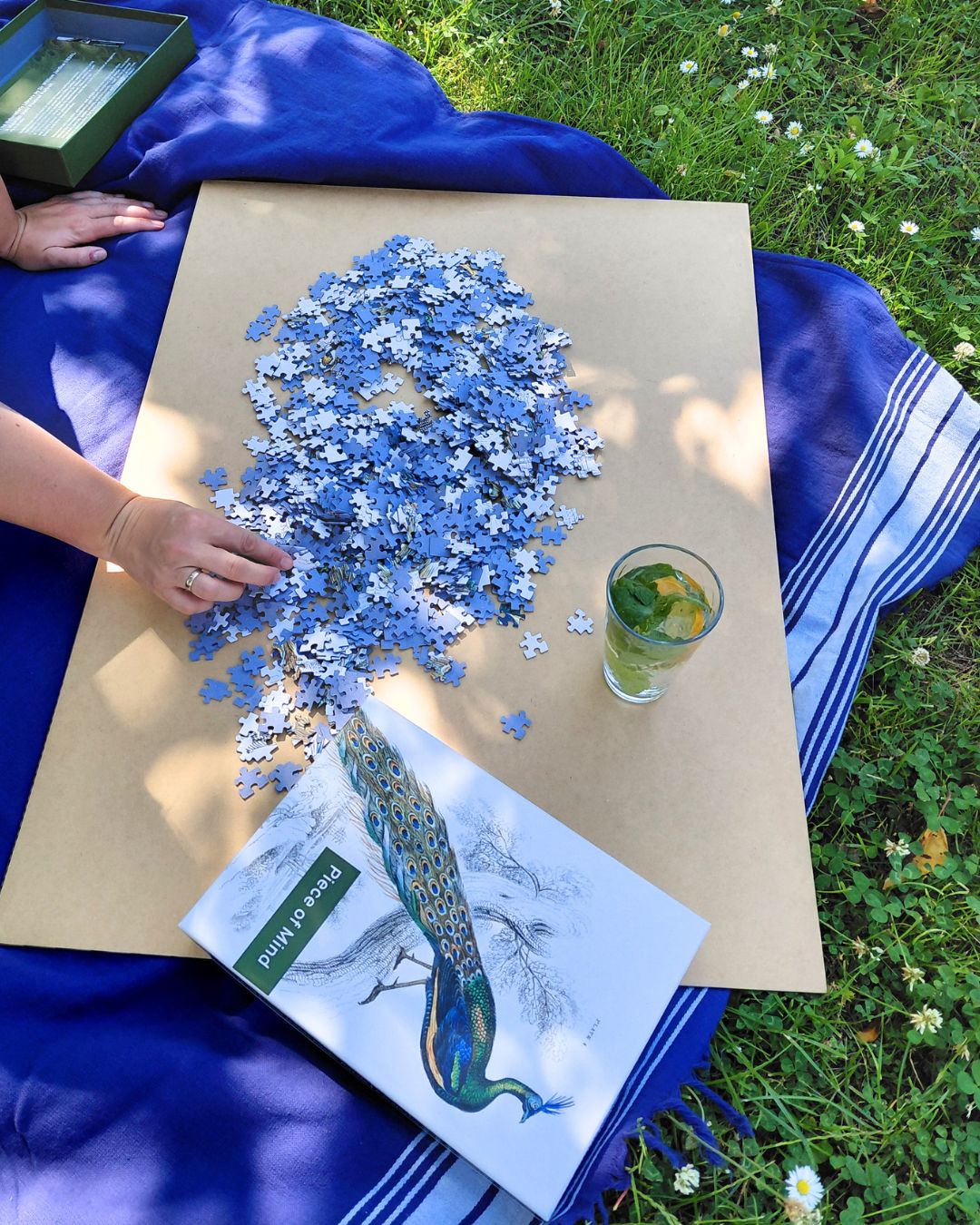
How to Get Back Into Jigsaw Puzzles as an Adult (Without Getting Bored)
For many of us, puzzles are a childhood memory. They remind us of family gatherings, rainy afternoons, and long holidays. Today, more adults are rediscovering this hobby—but some wonder whether it will still be enjoyable. The truth is that puzzling as an adult can be a completely different experience: calmer, more intentional, and surprisingly rewarding.
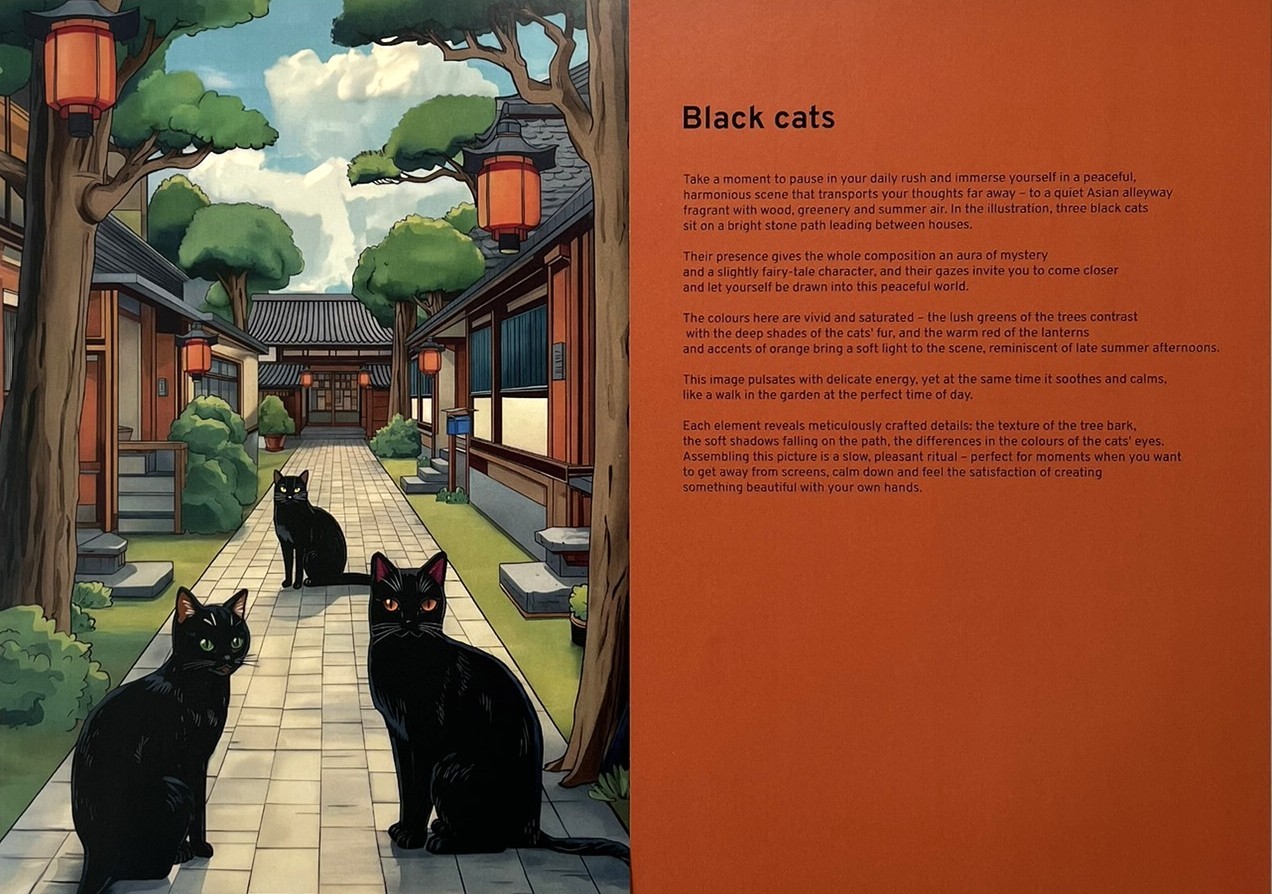
7 Best relaxing hobbies after work
After a busy workday, many people look for simple ways to unwind, reset their mind, and restore balance. It does not always require big lifestyle changes—often, small calming activities are enough to slow down and reconnect with yourself. Here are 7 relaxing hobbies that help you truly switch off after work.
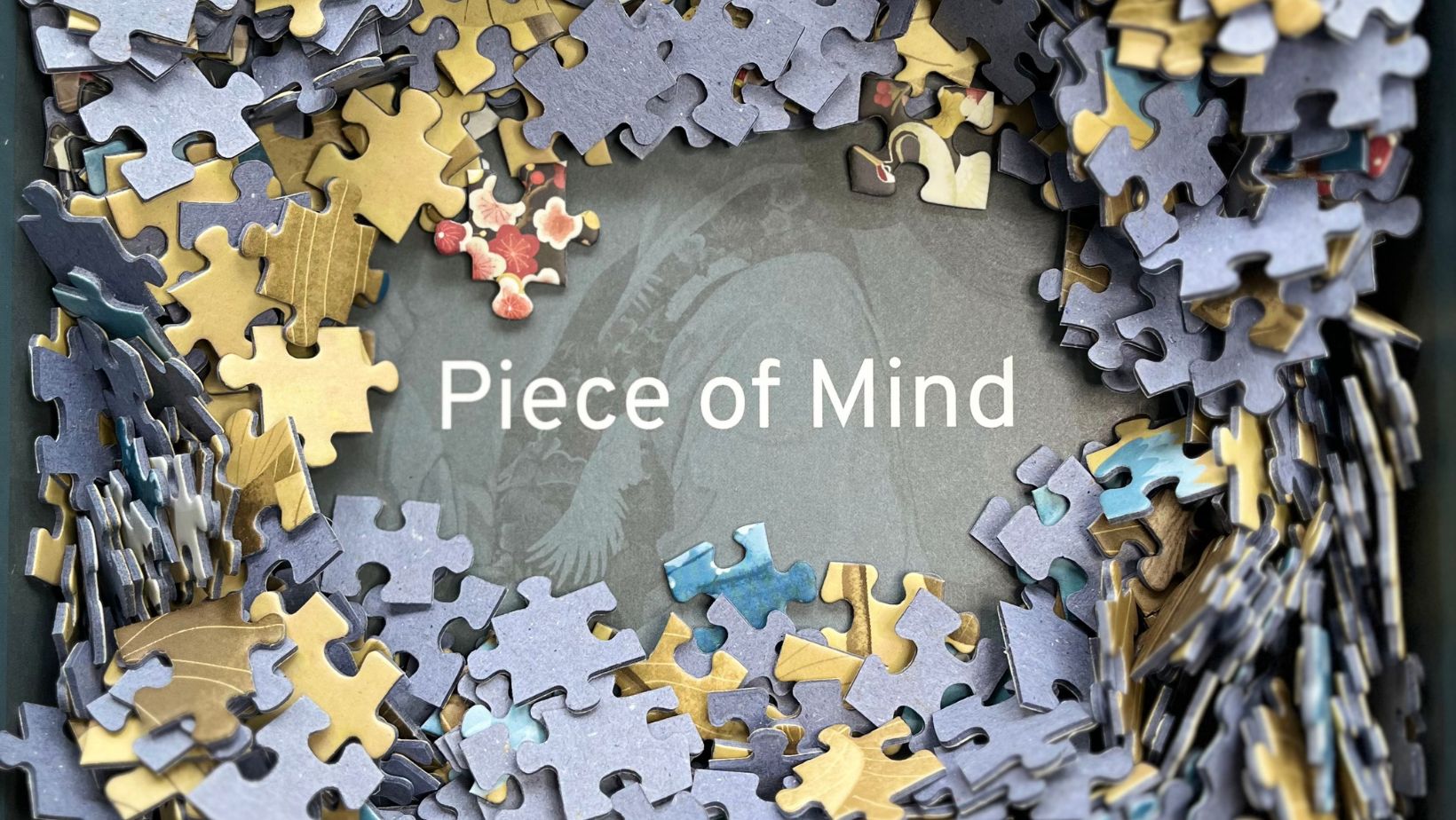
Why puzzles are a form of mindfulness?
When people think about mindfulness, they often imagine meditation, breathing exercises, or yoga. Yet mindfulness can also be found in simple everyday activities. One of them is doing a jigsaw puzzle. No special equipment, no complicated techniques, and no pressure to perform. Just a table, a few quiet moments, and the next piece waiting to be found.
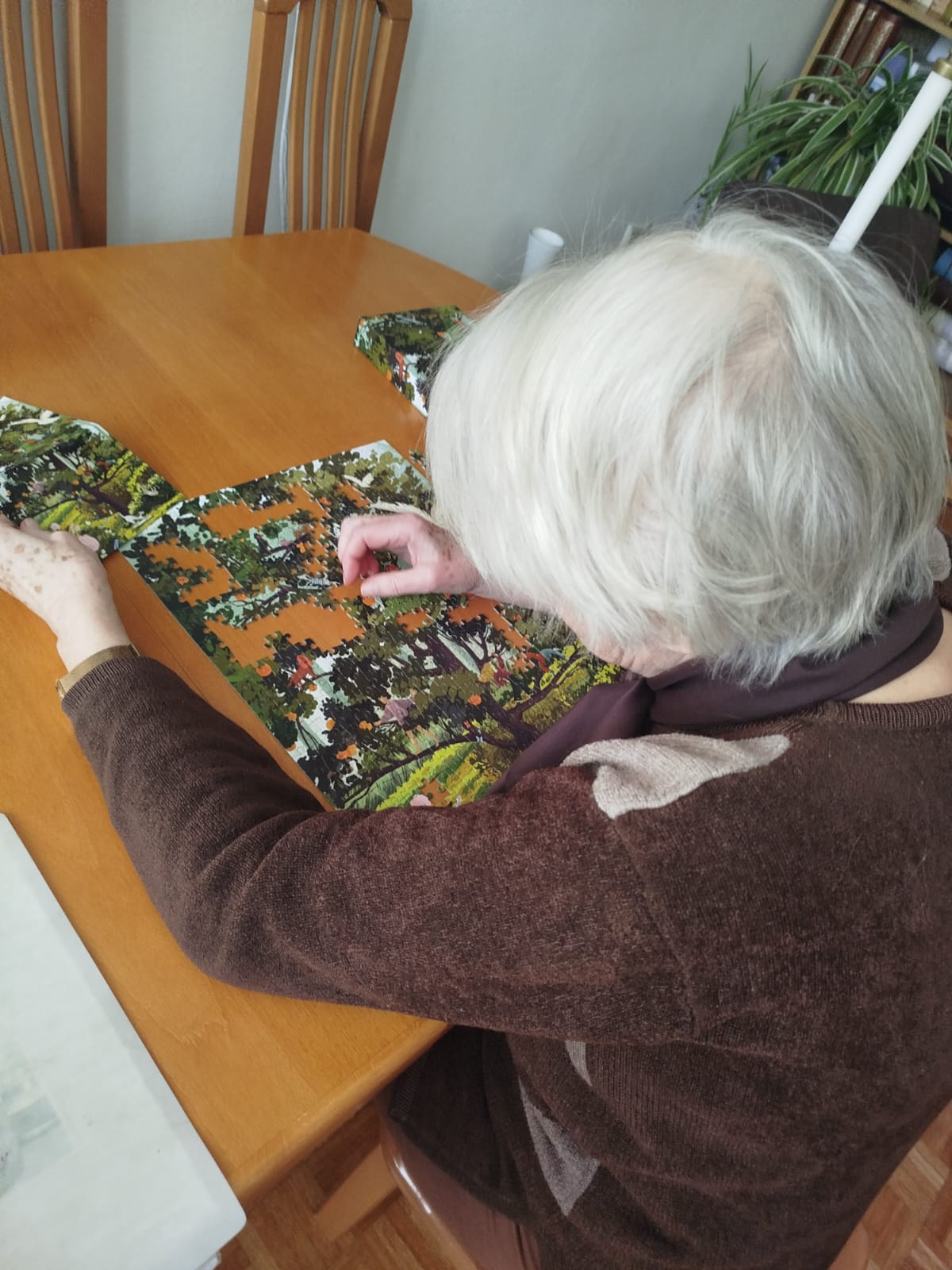
Why should seniors do jigsaw puzzles? Benefits for the mind and well-being
Putting together jigsaw puzzles is one of the simplest and most accessible ways to keep seniors' brains healthy. It combines cognitive training, relaxation, mood improvement and the opportunity to build relationships.
It proves that even seemingly small pieces can be used to create something bigger – peace of mind, satisfaction and a better quality of life.
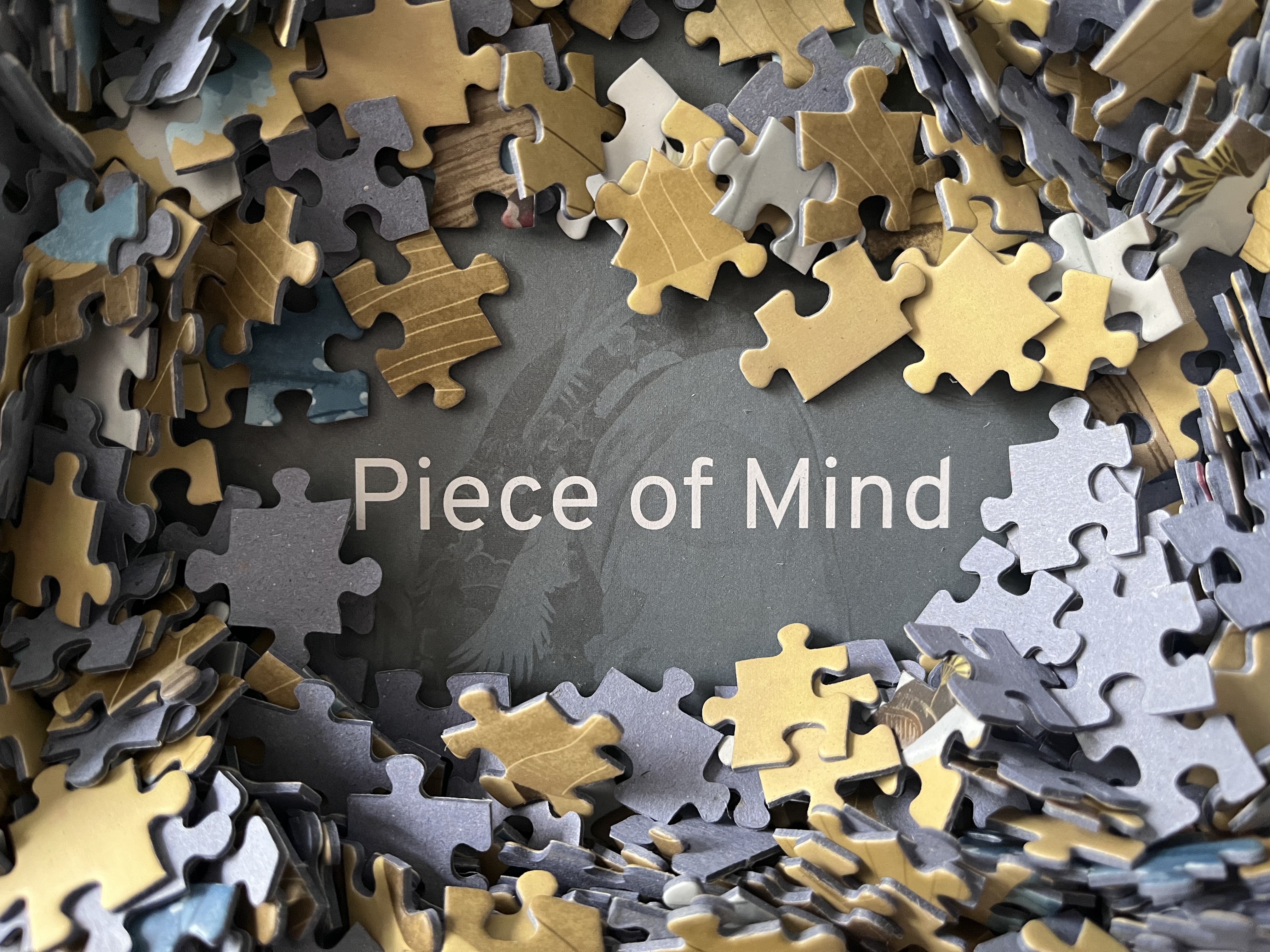
How does putting together a jigsaw puzzle affect emotions?
Jigsaw puzzles are a simple way to calm down and improve your mood. Putting together a jigsaw puzzle teaches patience and allows you to slow down in a hectic world. Touch, sound, rhythm - puzzles engage the senses and help you focus on the present moment. Each matching piece is a reward for the brain and a boost of motivation. Puzzles help you enter a state of deep concentration, giving your mind a respite. It's a ritual that allows for solitude without pressure and a gentle respite from everyday life.

What do puzzles do to our brains? Psychological benefits of jigsaw puzzles
Jigsaw puzzles are more than a hobby. It's an activity that engages the body and mind in ways we often underestimate. In a world of overstimulation and constant rush, a moment spent on a jigsaw puzzle can act as a reset. But exactly what benefits does this simple ritual bring to our brain and psyche?
