Why Do Puzzles Require Focus?
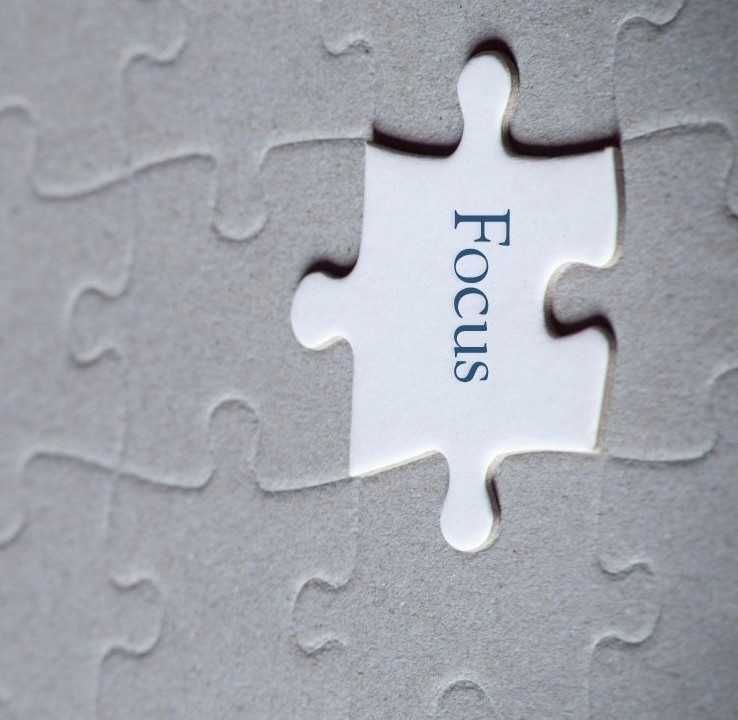
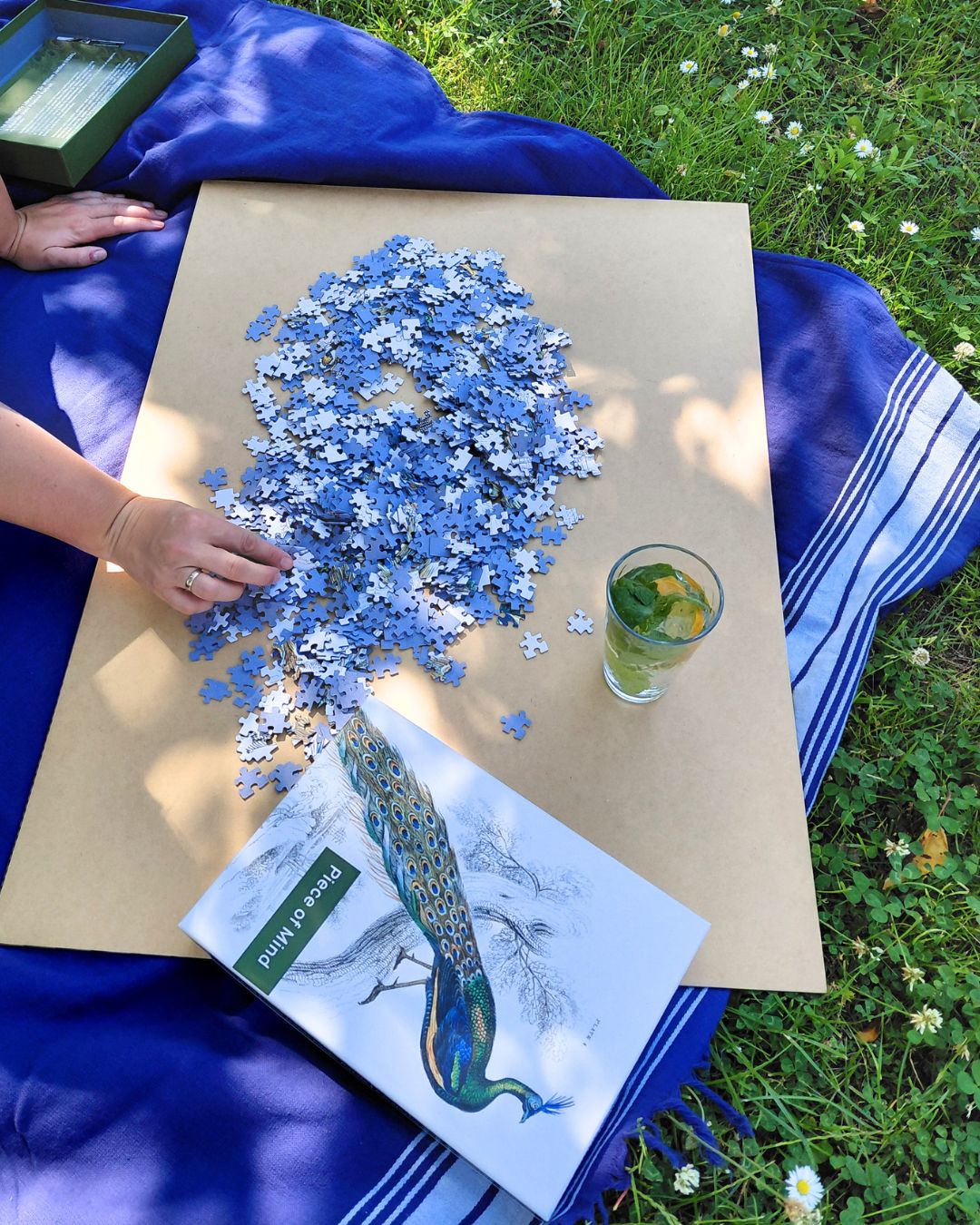
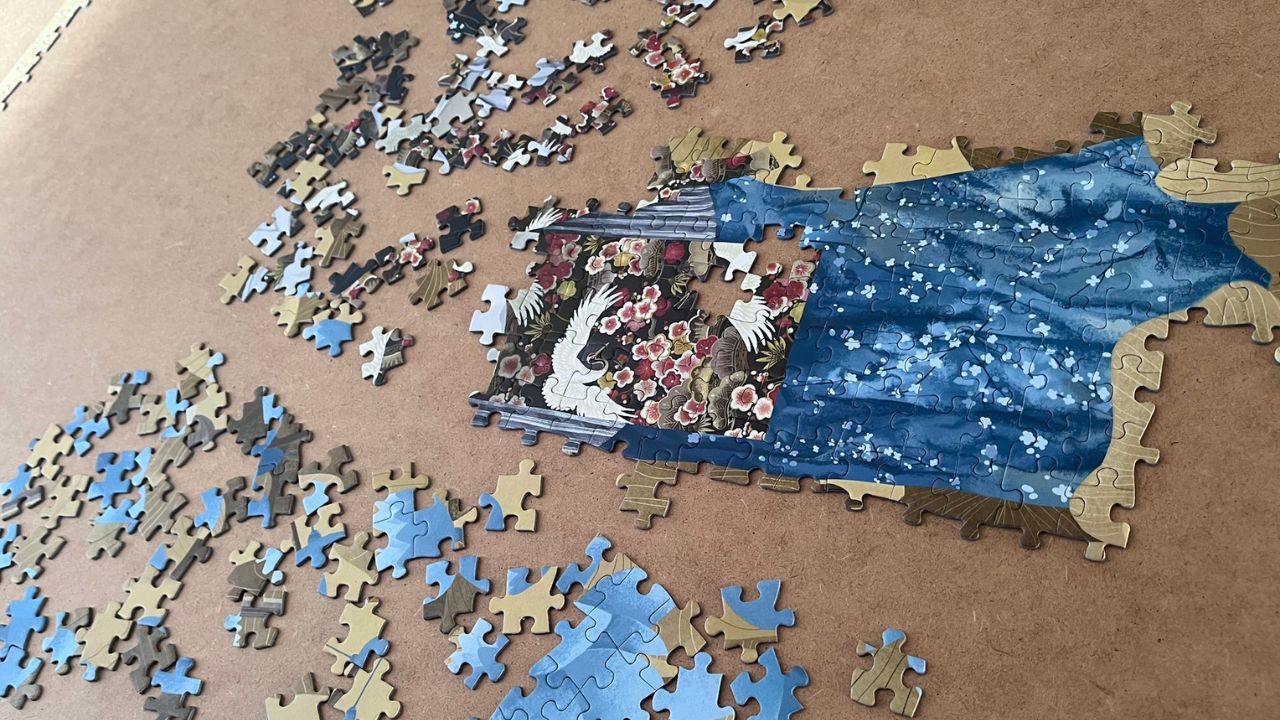
Completing a puzzle involves constant observation and analysis.
While searching for the right piece, you:
- compare colors,
- identify shapes,
- recognize patterns,
- remember sections of the image.
Your brain remains actively engaged throughout the process.
This is why many puzzlers describe the activity as deeply immersive.
Puzzles Strengthen Attention
Modern life often pulls our attention in multiple directions at once. Notifications, messages, and endless streams of information make sustained focus increasingly difficult. Puzzles encourage the opposite.
They promote:
- patience,
- observation,
- attention to detail,
- focus on a single task.
As a result, they naturally support concentration skills.
They Support Visual Memory
Puzzling requires you to remember information continuously.
You recall:
- where certain colors appeared,
- which sections have already been completed,
- where specific pieces are located.
This engages visual and spatial memory, both of which play important roles in everyday life.
Puzzles Teach Patience
Not every piece fits immediately. Some sections come together quickly, while others take time and persistence. This process encourages patience and helps us appreciate gradual progress rather than instant results.
The Flow State and Puzzling
Psychologists use the term "flow" to describe a state of complete immersion in an activity.
During flow:
- time seems to disappear,
- focus becomes effortless,
- the activity itself feels rewarding.
Many puzzle enthusiasts experience this state while puzzling. It is one of the reasons puzzles can feel so calming.
Brain Training Without Pressure
Unlike many brain-training apps, puzzles do not rely on scores, rankings, or competition. There is no need to perform. No need to rush. No need to compare yourself to others. You simply engage with the process at your own pace.
Benefits Beyond the Finished Picture
The value of puzzles extends far beyond the completed image.
They offer:
- moments of focus,
- relief from digital distractions,
- patience,
- a sense of progress,
- satisfaction in discovering connections.
These benefits make puzzling a meaningful hobby for many adults.
A Daily Practice for Better Focus
You do not need to spend hours puzzling to experience the benefits. Even a short session can become a valuable moment of concentration and relaxation. Perhaps that is why puzzles continue to grow in popularity—they help us practice something increasingly rare in modern life: paying attention to one thing at a time.