
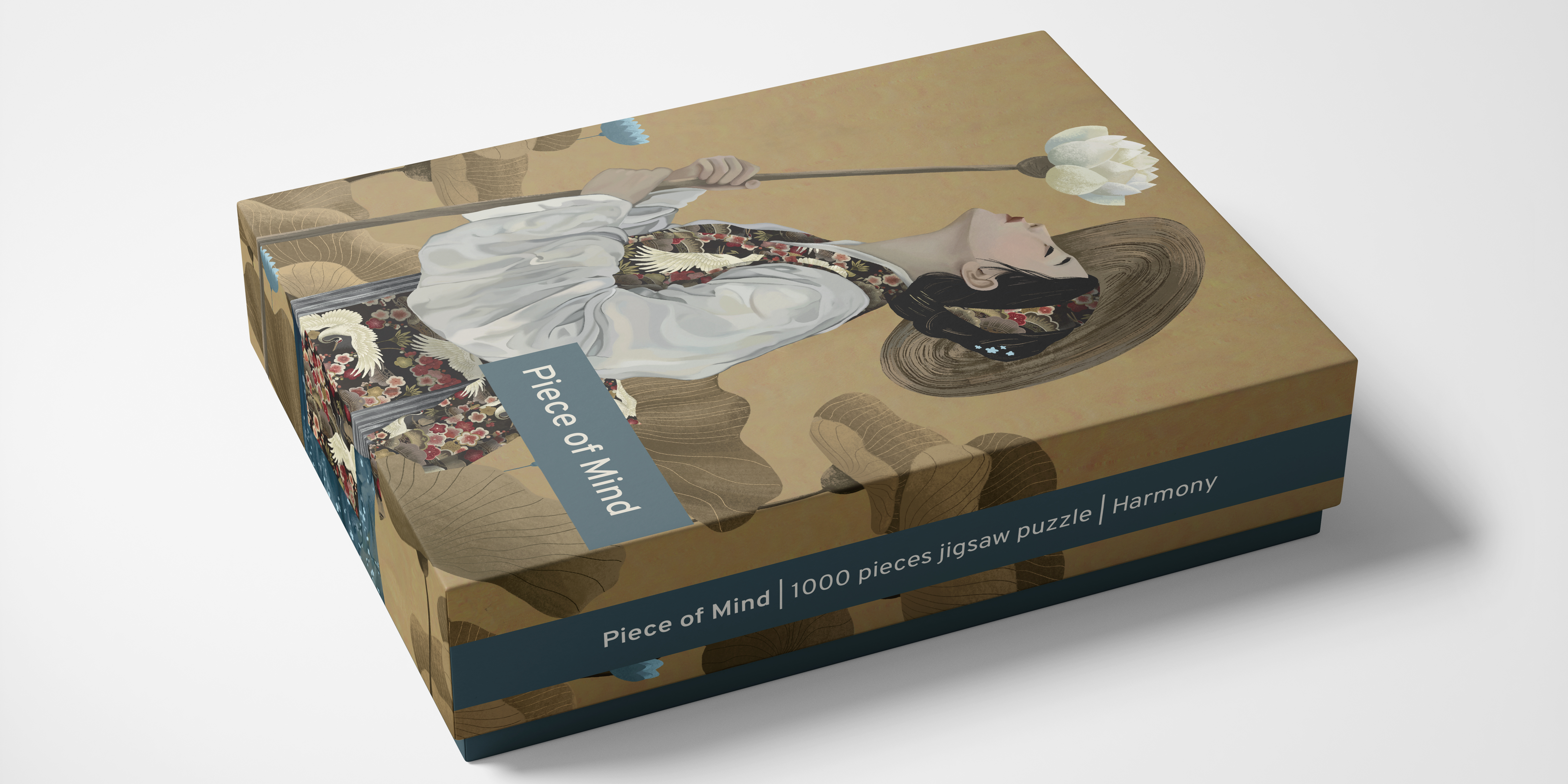
When people think of meditation, they often imagine sitting quietly with closed eyes, focusing on the breath. While traditional meditation can be a powerful practice, it is not the only way to cultivate mindfulness and calm. For many people, meditation happens through movement, creativity, or focused attention. Gardening, knitting, painting, and even walking can create a meditative state. Jigsaw puzzles belong in this category too. Piece by piece, puzzles invite us to slow down, focus on the present moment, and temporarily step away from the noise of everyday life.
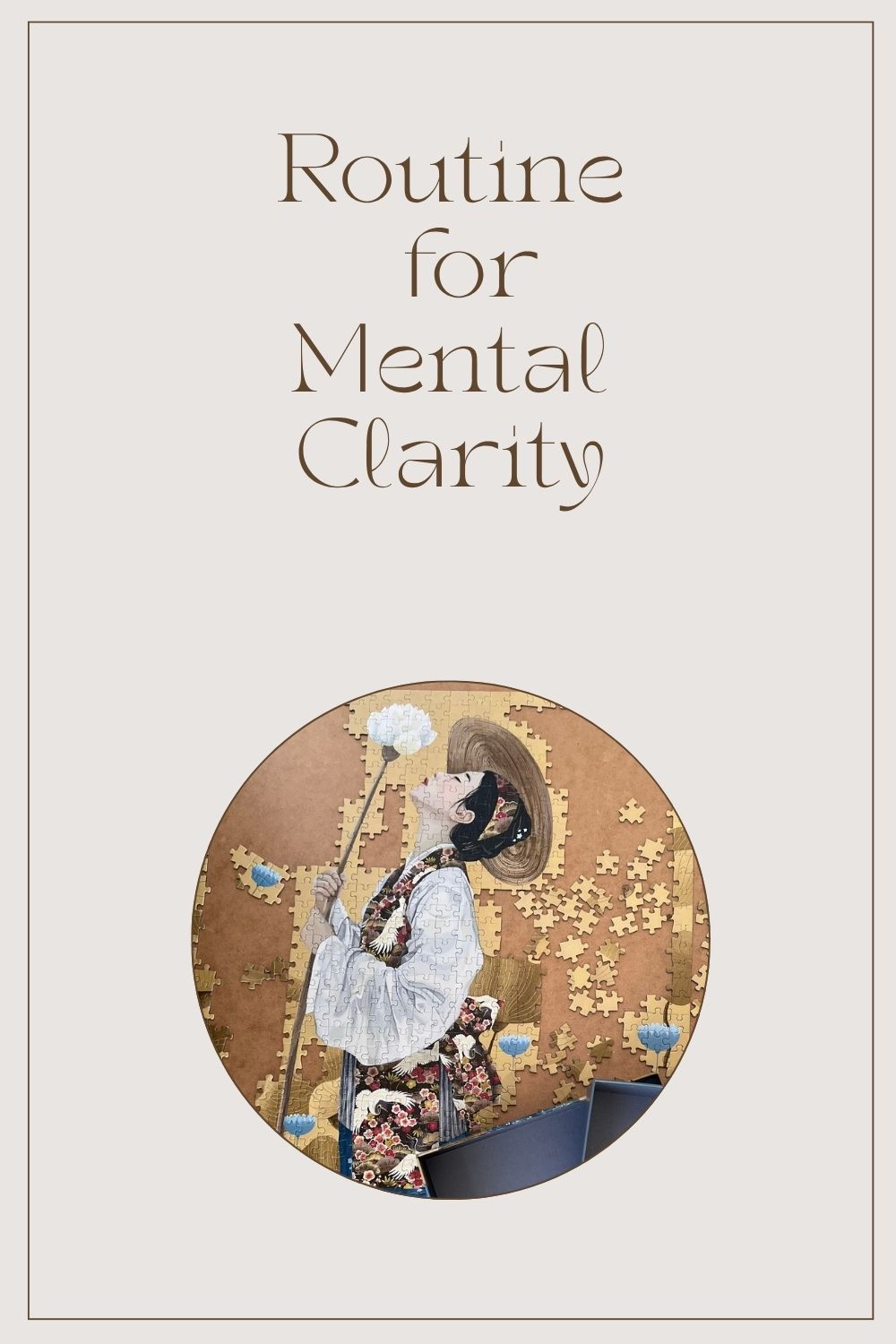
Jigsaw Puzzles as a Form of Meditation
Read more
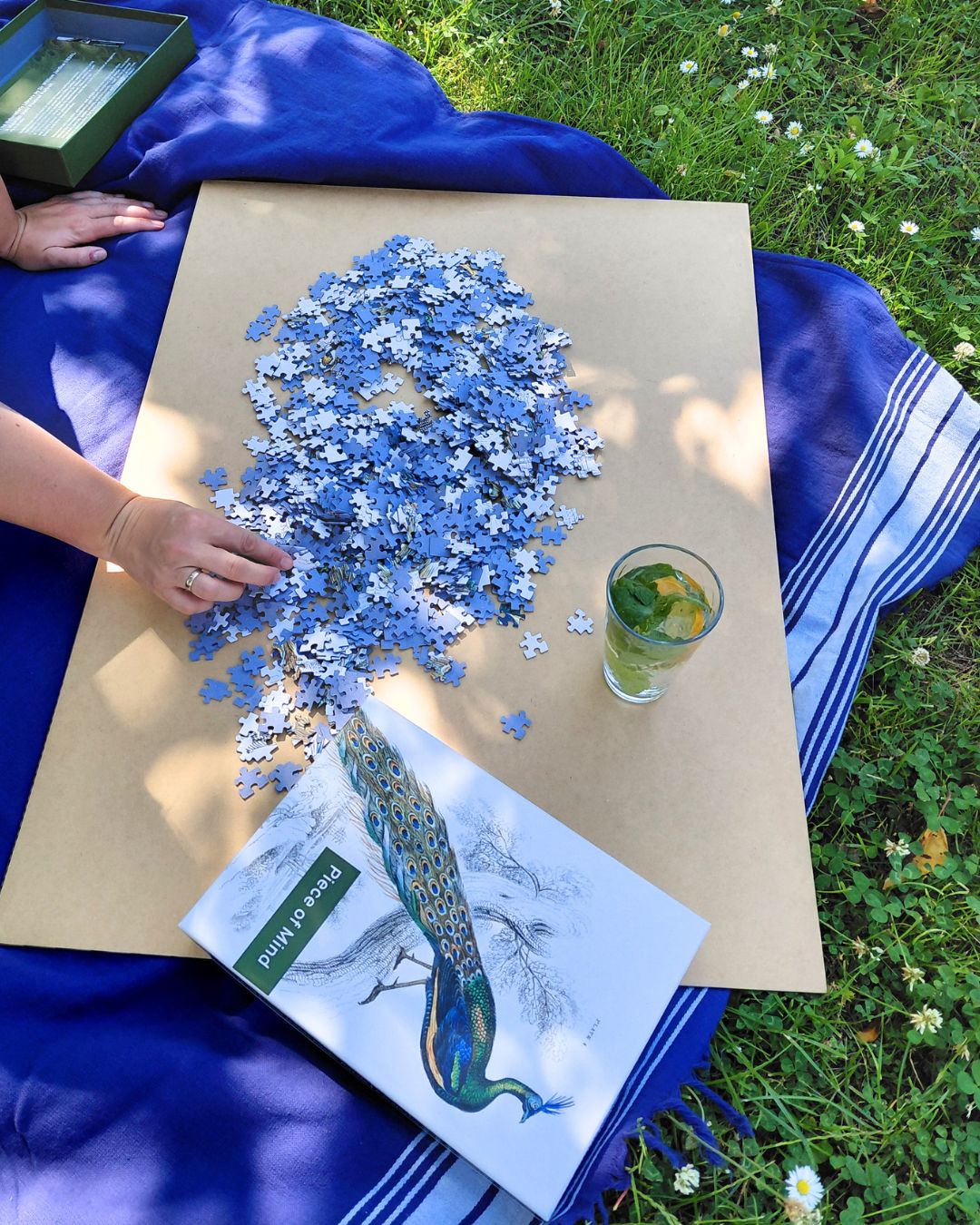
How to Get Back Into Jigsaw Puzzles as an Adult (Without Getting Bored)
For many of us, puzzles are a childhood memory. They remind us of family gatherings, rainy afternoons, and long holidays. Today, more adults are rediscovering this hobby—but some wonder whether it will still be enjoyable. The truth is that puzzling as an adult can be a completely different experience: calmer, more intentional, and surprisingly rewarding.
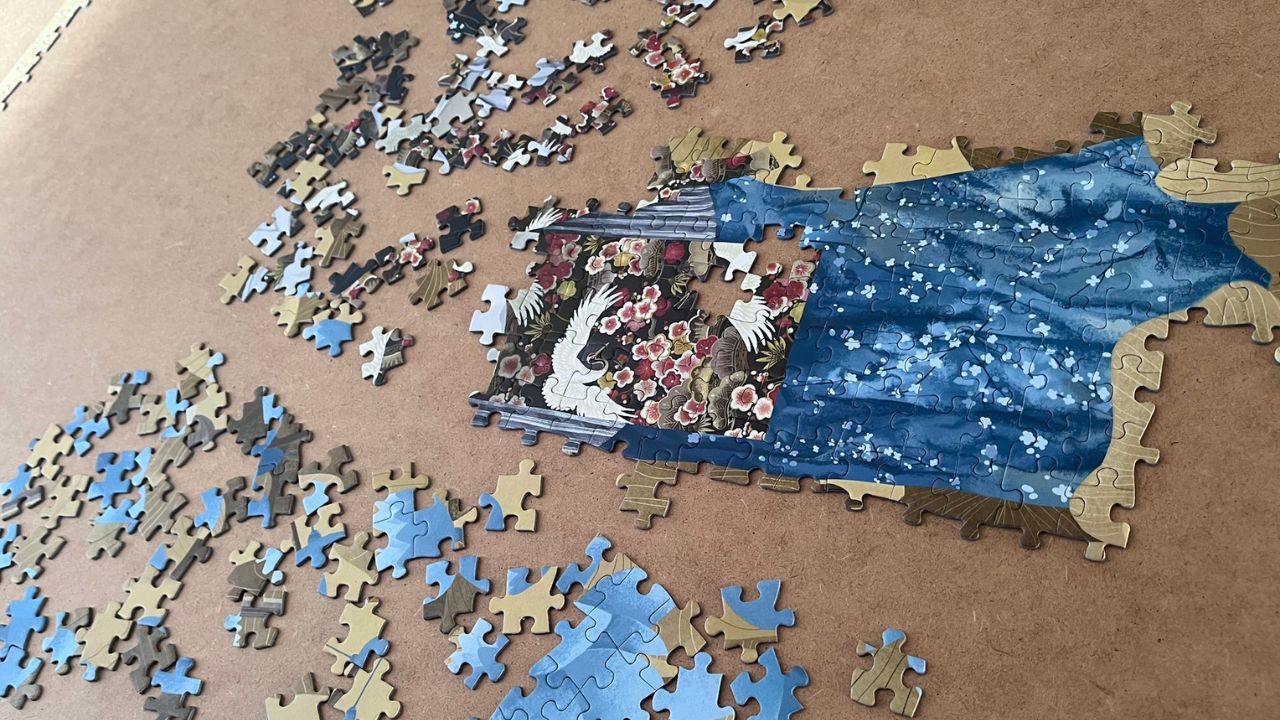
Why Analog Hobbies Are Making a Comeback
A decade ago, it seemed that technology would replace many traditional hobbies. Smartphones, streaming platforms, and social media offered endless entertainment at our fingertips. Yet today, more people are returning to puzzles, books, drawing, knitting, and other offline activities. Why are analog hobbies becoming popular again?
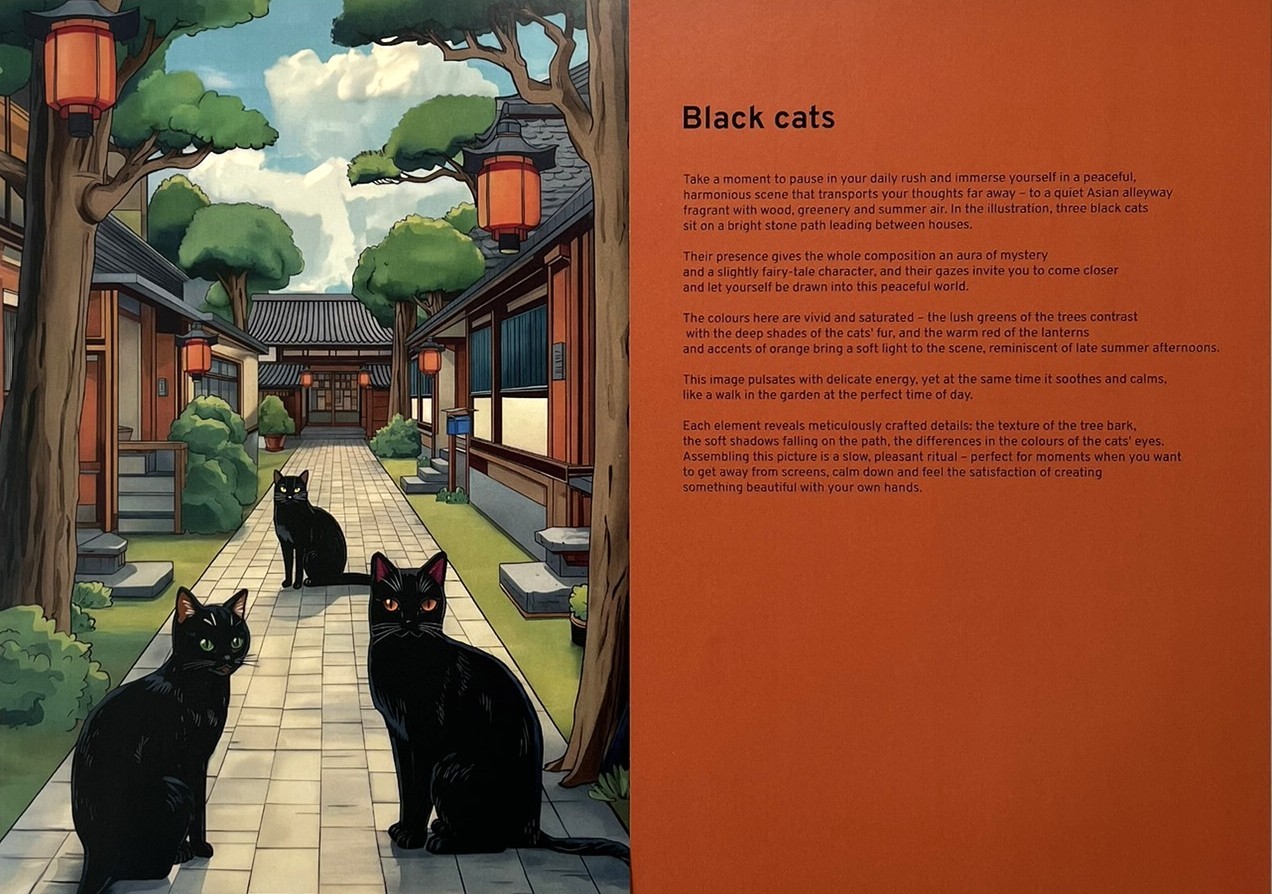
7 Best relaxing hobbies after work
After a busy workday, many people look for simple ways to unwind, reset their mind, and restore balance. It does not always require big lifestyle changes—often, small calming activities are enough to slow down and reconnect with yourself. Here are 7 relaxing hobbies that help you truly switch off after work.
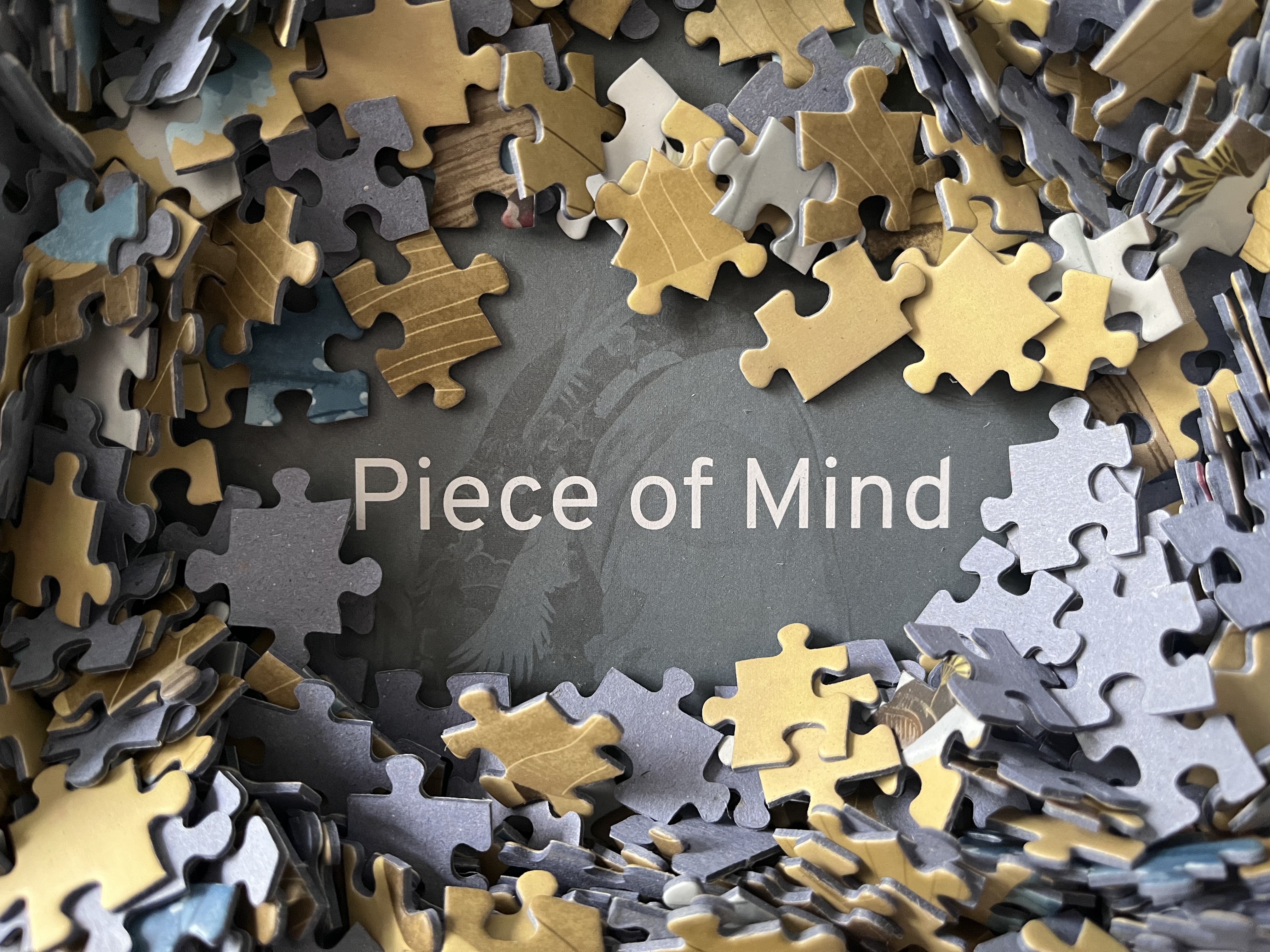
How does putting together a jigsaw puzzle affect emotions?
Jigsaw puzzles are a simple way to calm down and improve your mood. Putting together a jigsaw puzzle teaches patience and allows you to slow down in a hectic world. Touch, sound, rhythm - puzzles engage the senses and help you focus on the present moment. Each matching piece is a reward for the brain and a boost of motivation. Puzzles help you enter a state of deep concentration, giving your mind a respite. It's a ritual that allows for solitude without pressure and a gentle respite from everyday life.
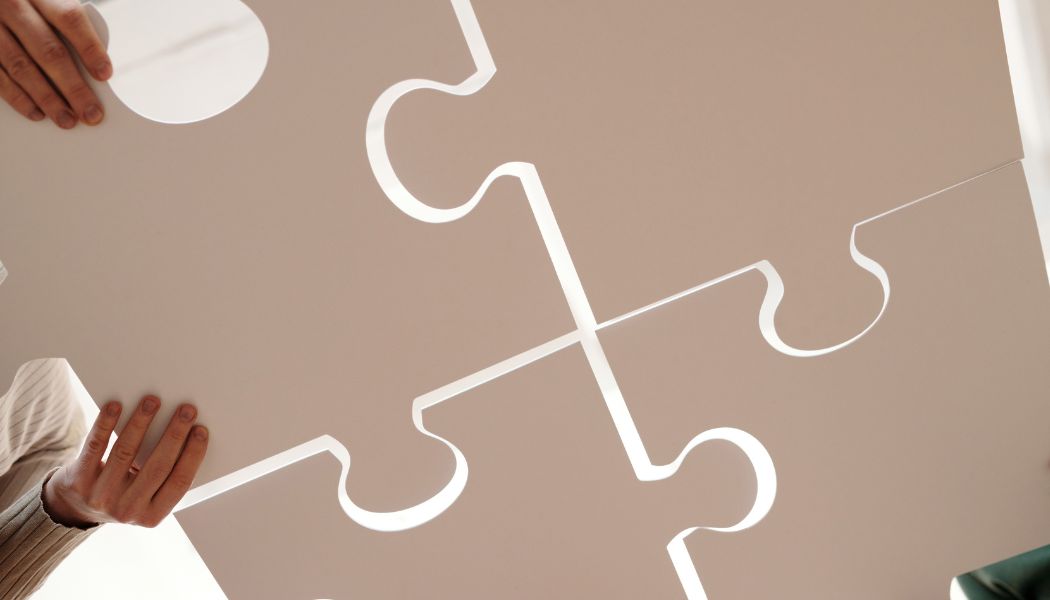
Entropy and puzzles: how putting together a picture becomes an exercise in physics, philosophy and psychology
Putting together a puzzle is not only fun, but also a symbolic battle against entropy - the physical concept of chaos and disorder. Scattered jigsaw puzzles represent a state of high entropy, and putting them together restores order, “reversing the arrow of time,” as it were. From the perspective of cognitive psychology, putting the puzzle together engages working memory, visuospatial perception, concentration and executive functions. EEG studies show that the brain enters a meditation-like state during this activity, which explains its calming effect. Philosophically, jigsaw puzzles symbolize the human need to give meaning and order to a chaotic reality. As Bachelard wrote, organizing a space gives a sense of “home” - even if it's just a puzzle picture. Neurobiologically, each matching piece activates the reward system and triggers dopamine, enhancing motivation.
Life as a jigsaw puzzle - about meaning, chaos and putting everyday life in order
Sometimes we all feel that our lives resemble a jigsaw puzzle scattered around. Events, emotions, memories and decisions lie scattered without order and composition, and we try to find a frame - an anchor point from which to start. Instead of order - chaos. Instead of harmony - a sense of confusion.
