
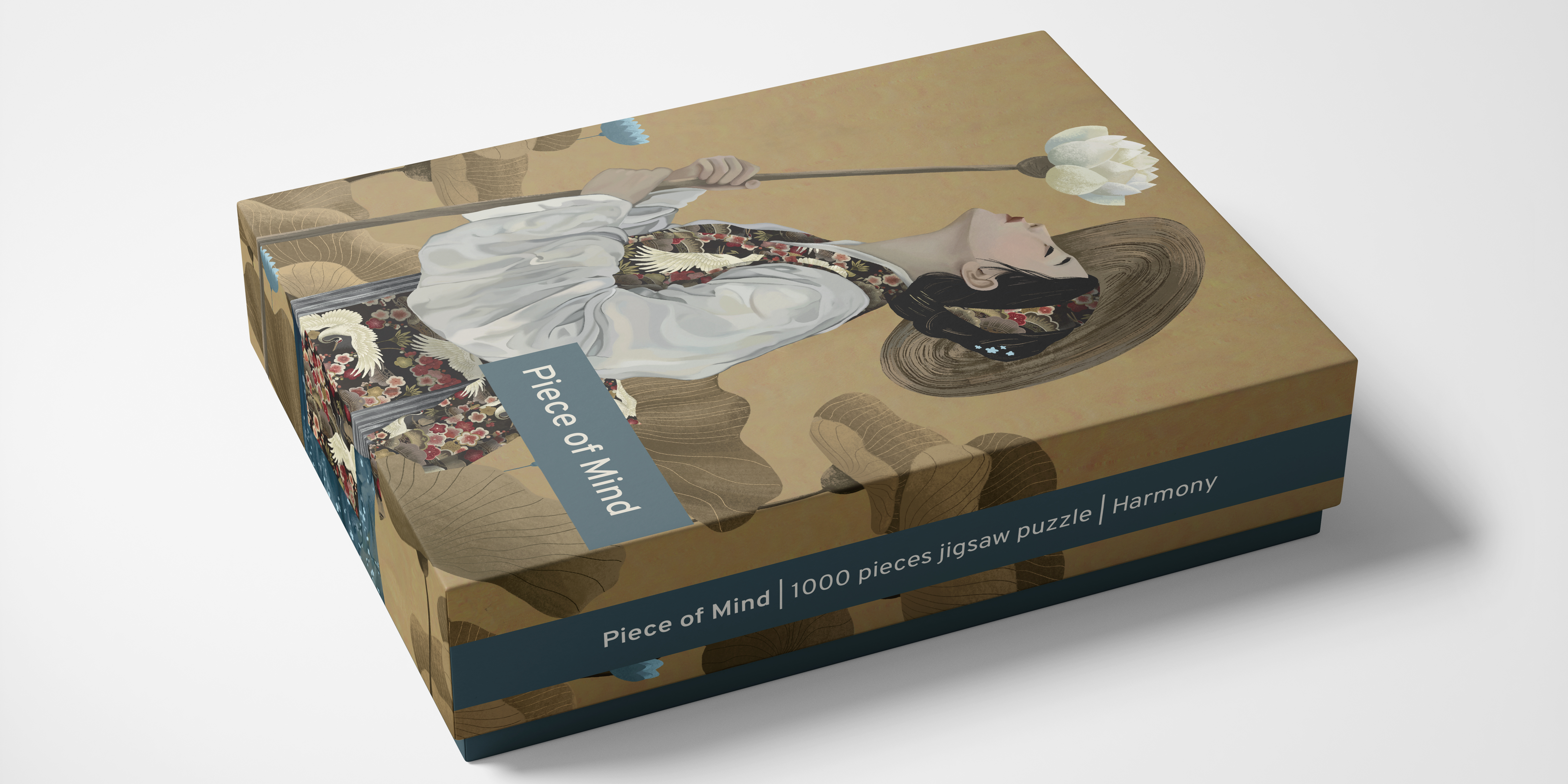
Most people enjoy jigsaw puzzles because they are relaxing, creative, and screen-free. Yet puzzles offer more than simple entertainment. By engaging attention, memory, and problem-solving skills, they provide a gentle workout for the brain—one that feels enjoyable rather than demanding.
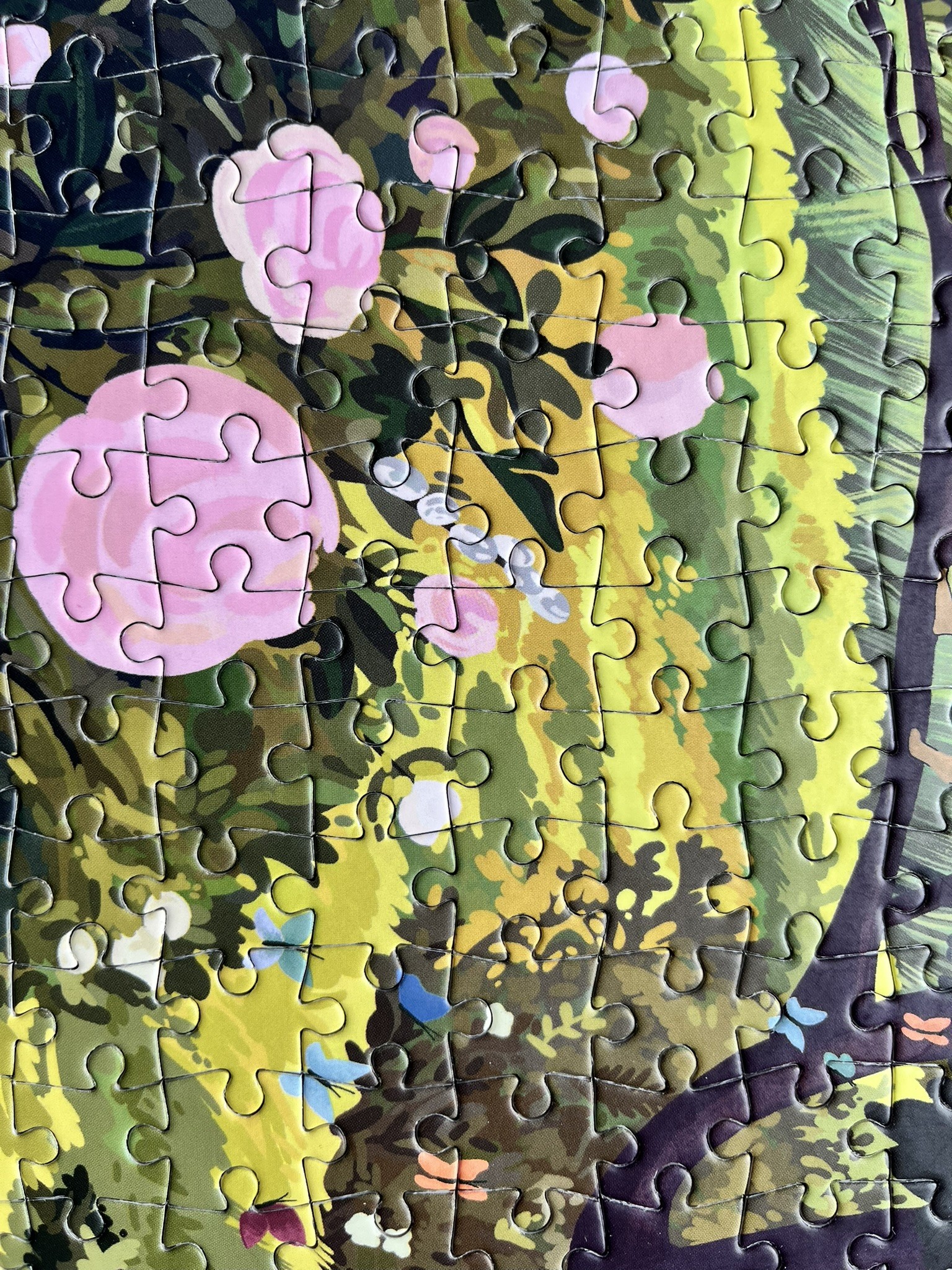
Puzzle Therapy: Focus and Cognitive Benefits of Jigsaw Puzzles
Read more
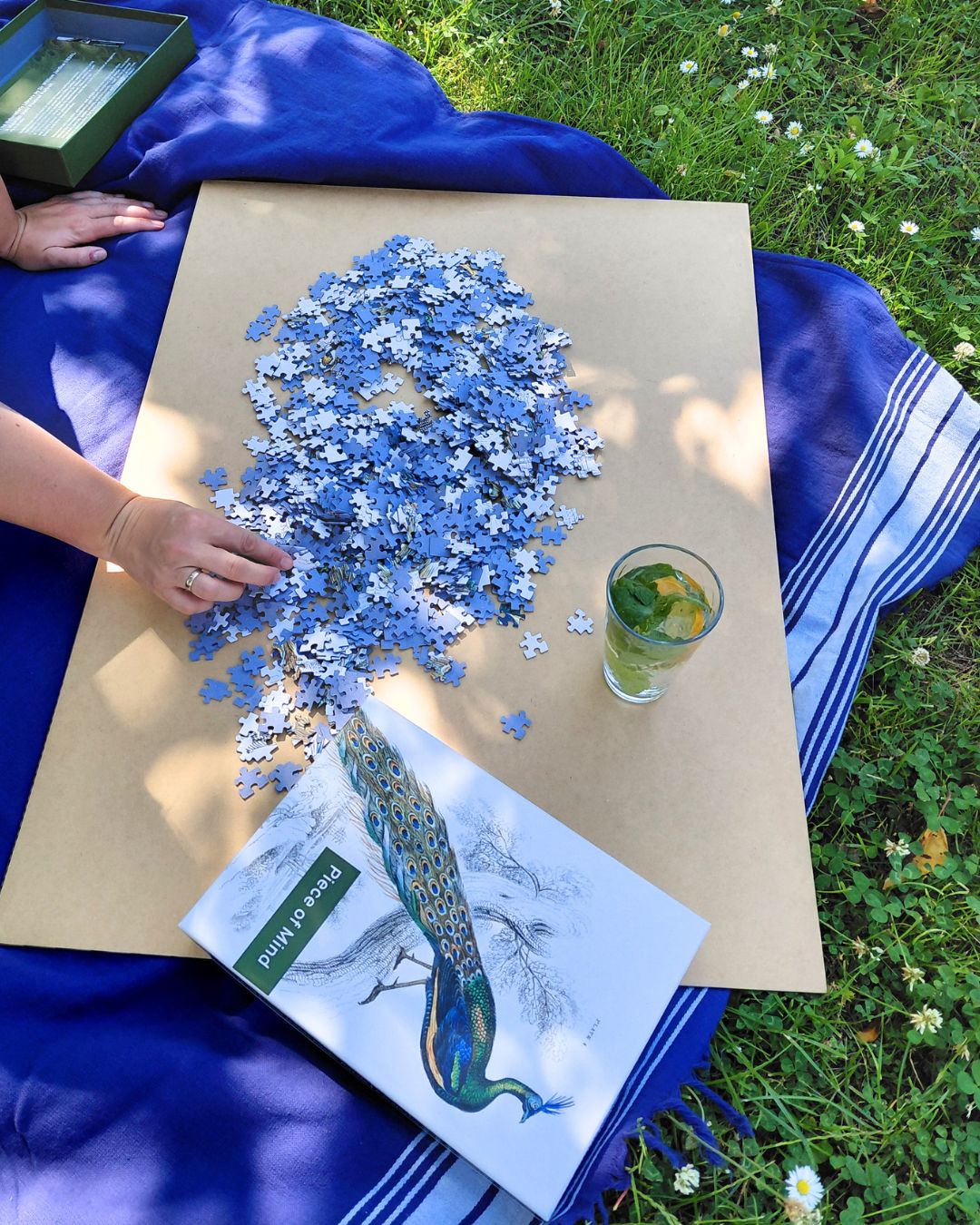
How to Get Back Into Jigsaw Puzzles as an Adult (Without Getting Bored)
For many of us, puzzles are a childhood memory. They remind us of family gatherings, rainy afternoons, and long holidays. Today, more adults are rediscovering this hobby—but some wonder whether it will still be enjoyable. The truth is that puzzling as an adult can be a completely different experience: calmer, more intentional, and surprisingly rewarding.
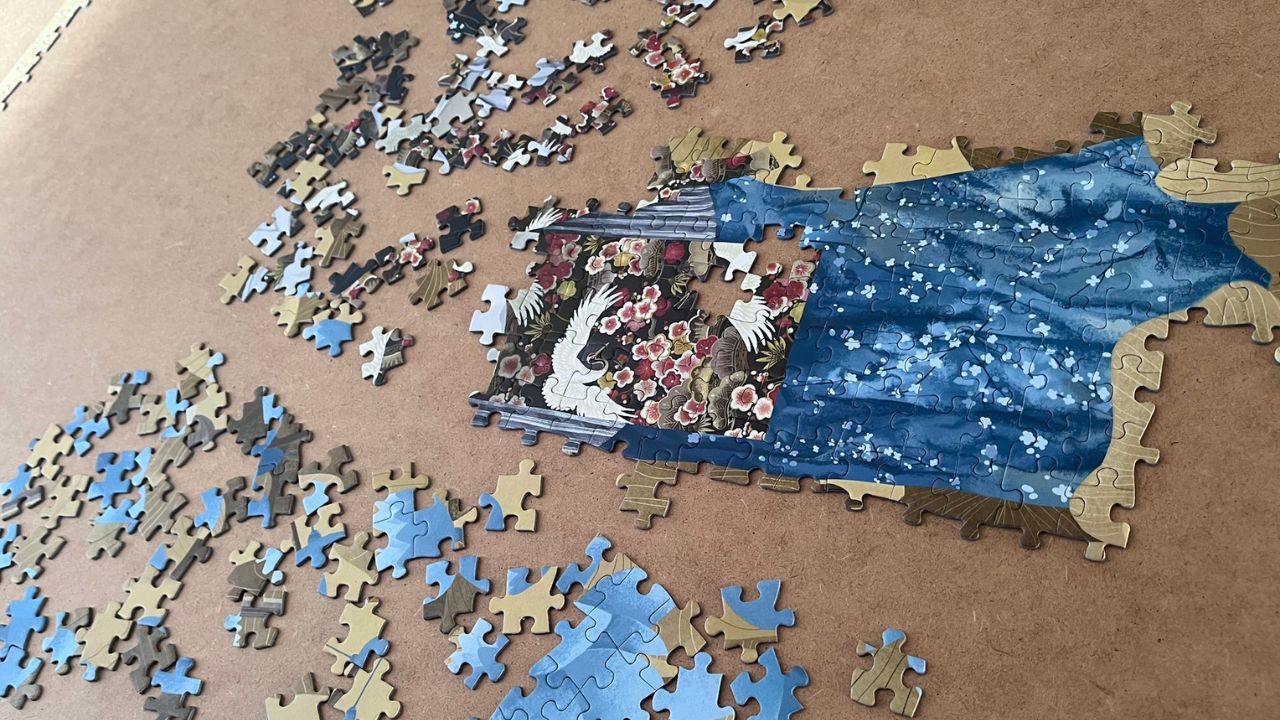
Why Analog Hobbies Are Making a Comeback
A decade ago, it seemed that technology would replace many traditional hobbies. Smartphones, streaming platforms, and social media offered endless entertainment at our fingertips. Yet today, more people are returning to puzzles, books, drawing, knitting, and other offline activities. Why are analog hobbies becoming popular again?
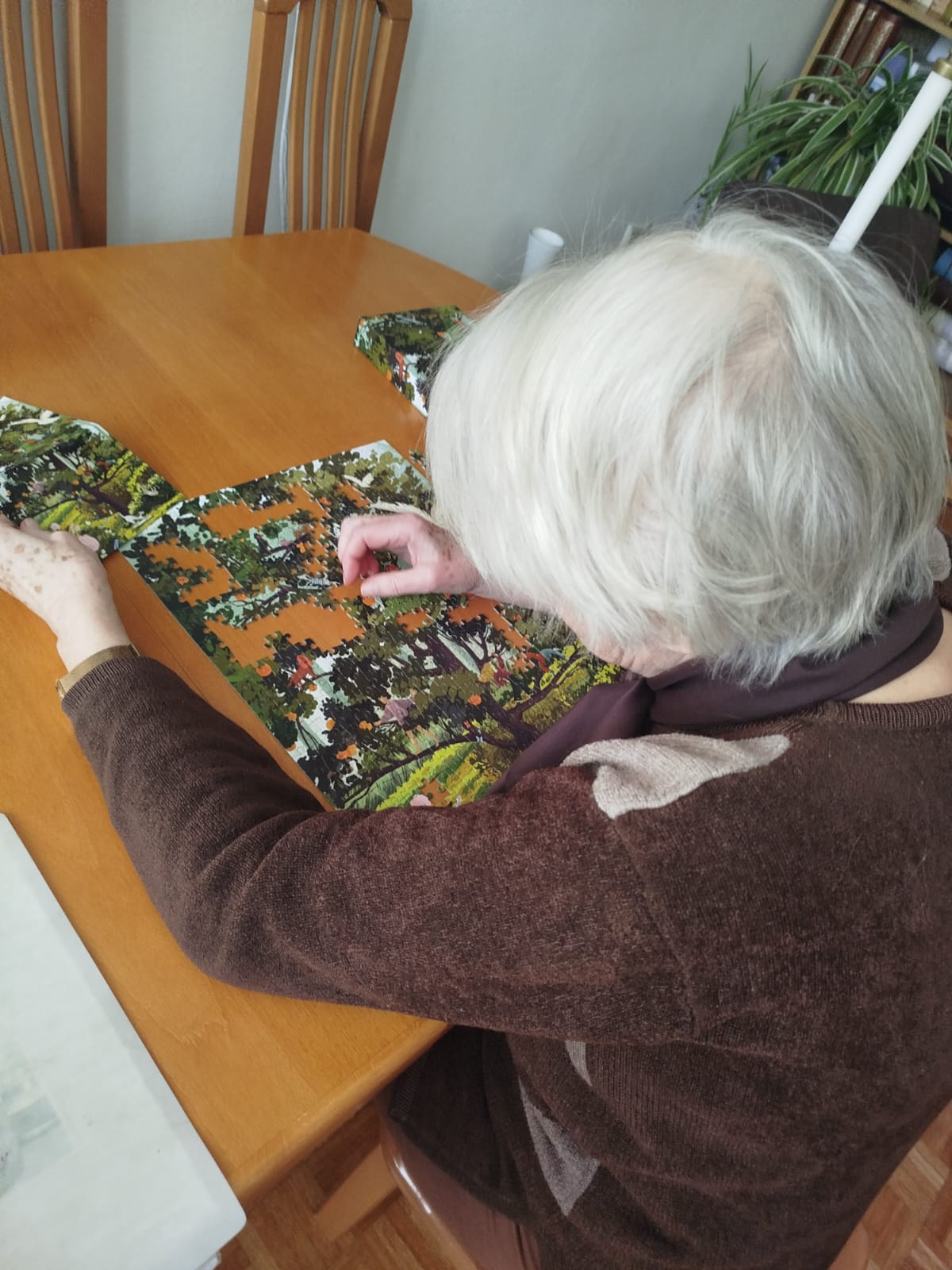
Why should seniors do jigsaw puzzles? Benefits for the mind and well-being
Putting together jigsaw puzzles is one of the simplest and most accessible ways to keep seniors' brains healthy. It combines cognitive training, relaxation, mood improvement and the opportunity to build relationships.
It proves that even seemingly small pieces can be used to create something bigger – peace of mind, satisfaction and a better quality of life.
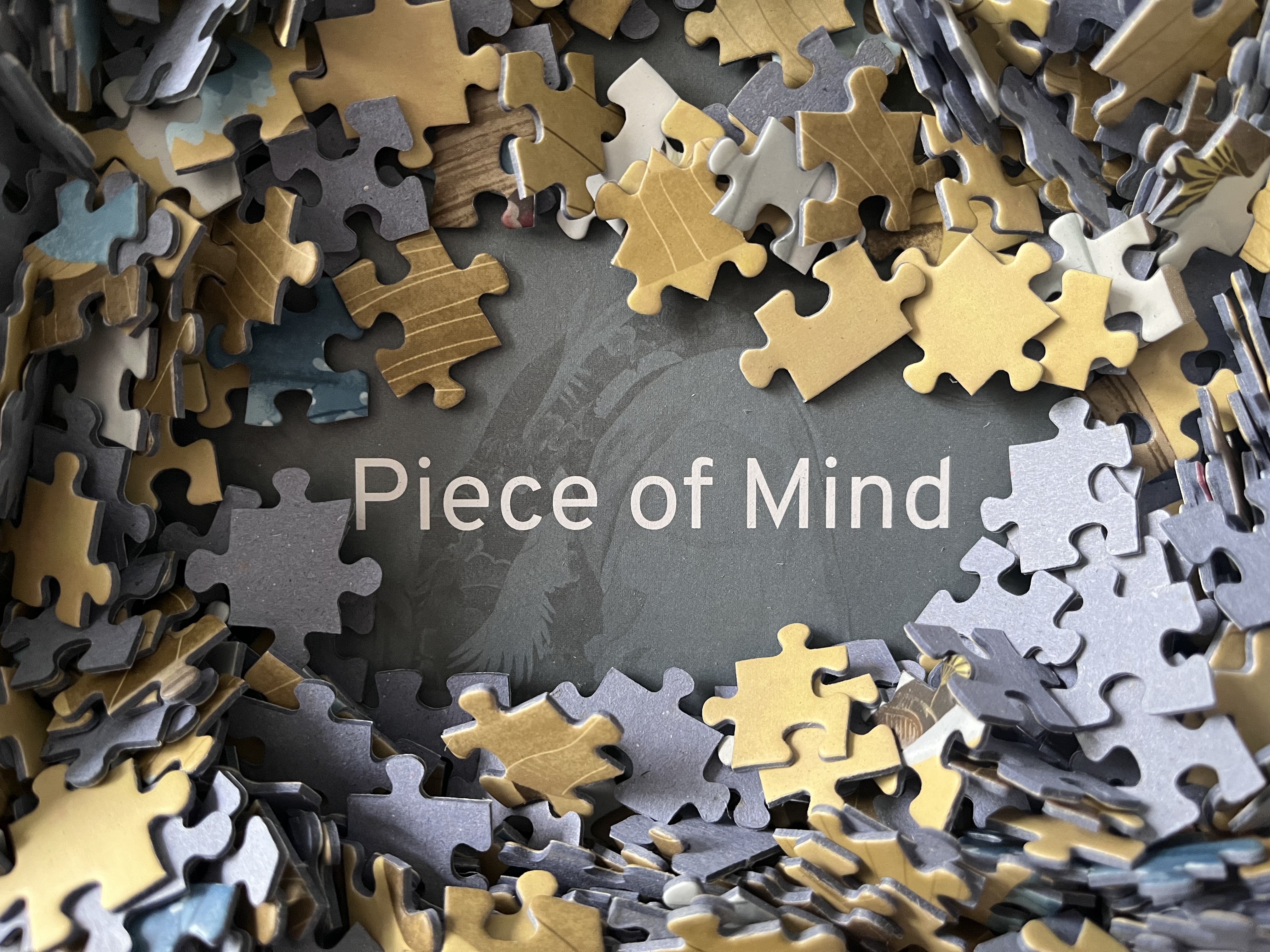
How does putting together a jigsaw puzzle affect emotions?
Jigsaw puzzles are a simple way to calm down and improve your mood. Putting together a jigsaw puzzle teaches patience and allows you to slow down in a hectic world. Touch, sound, rhythm - puzzles engage the senses and help you focus on the present moment. Each matching piece is a reward for the brain and a boost of motivation. Puzzles help you enter a state of deep concentration, giving your mind a respite. It's a ritual that allows for solitude without pressure and a gentle respite from everyday life.

Life as a jigsaw puzzle - about meaning, chaos and putting everyday life in order
Sometimes we all feel that our lives resemble a jigsaw puzzle scattered around. Events, emotions, memories and decisions lie scattered without order and composition, and we try to find a frame - an anchor point from which to start. Instead of order - chaos. Instead of harmony - a sense of confusion.
