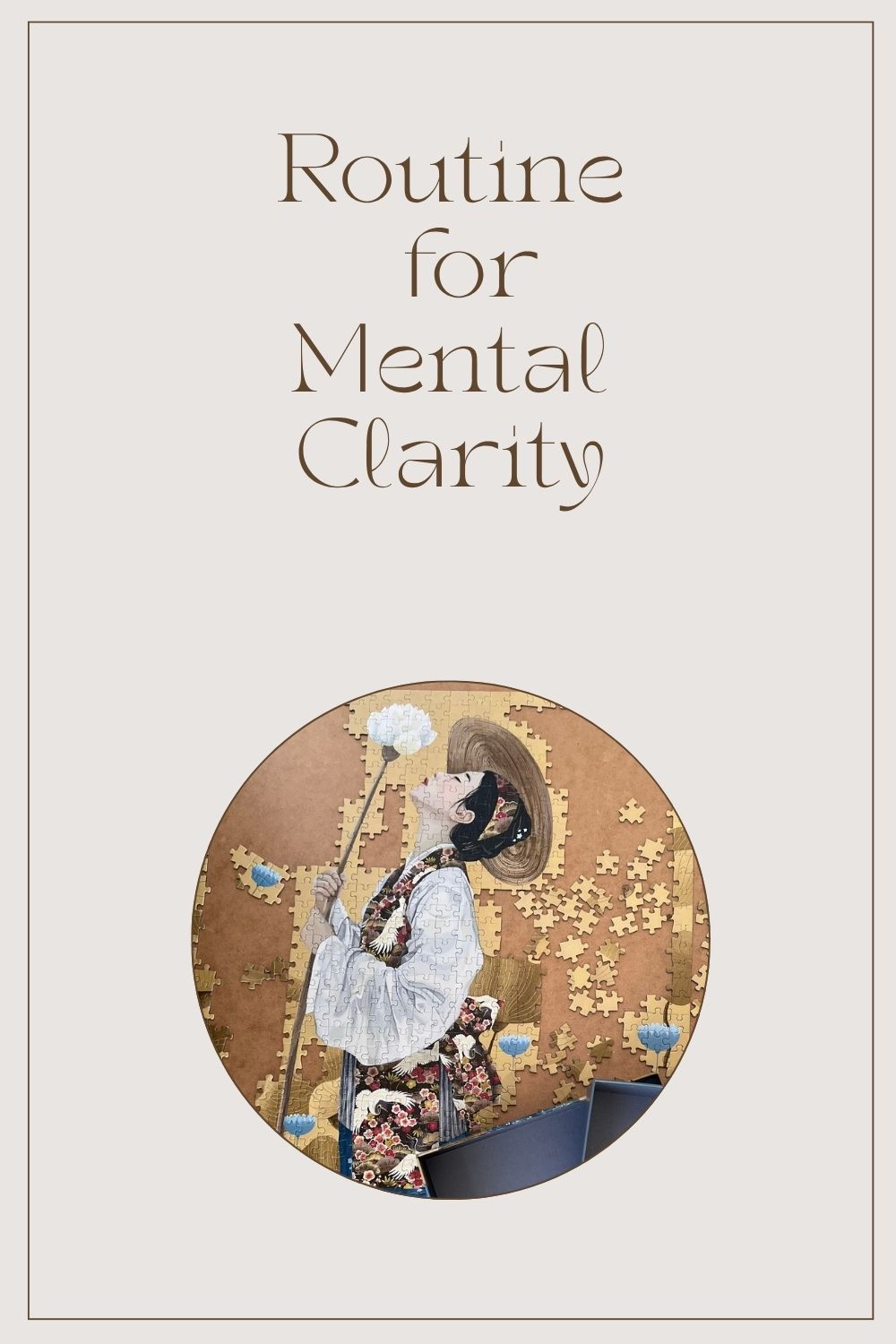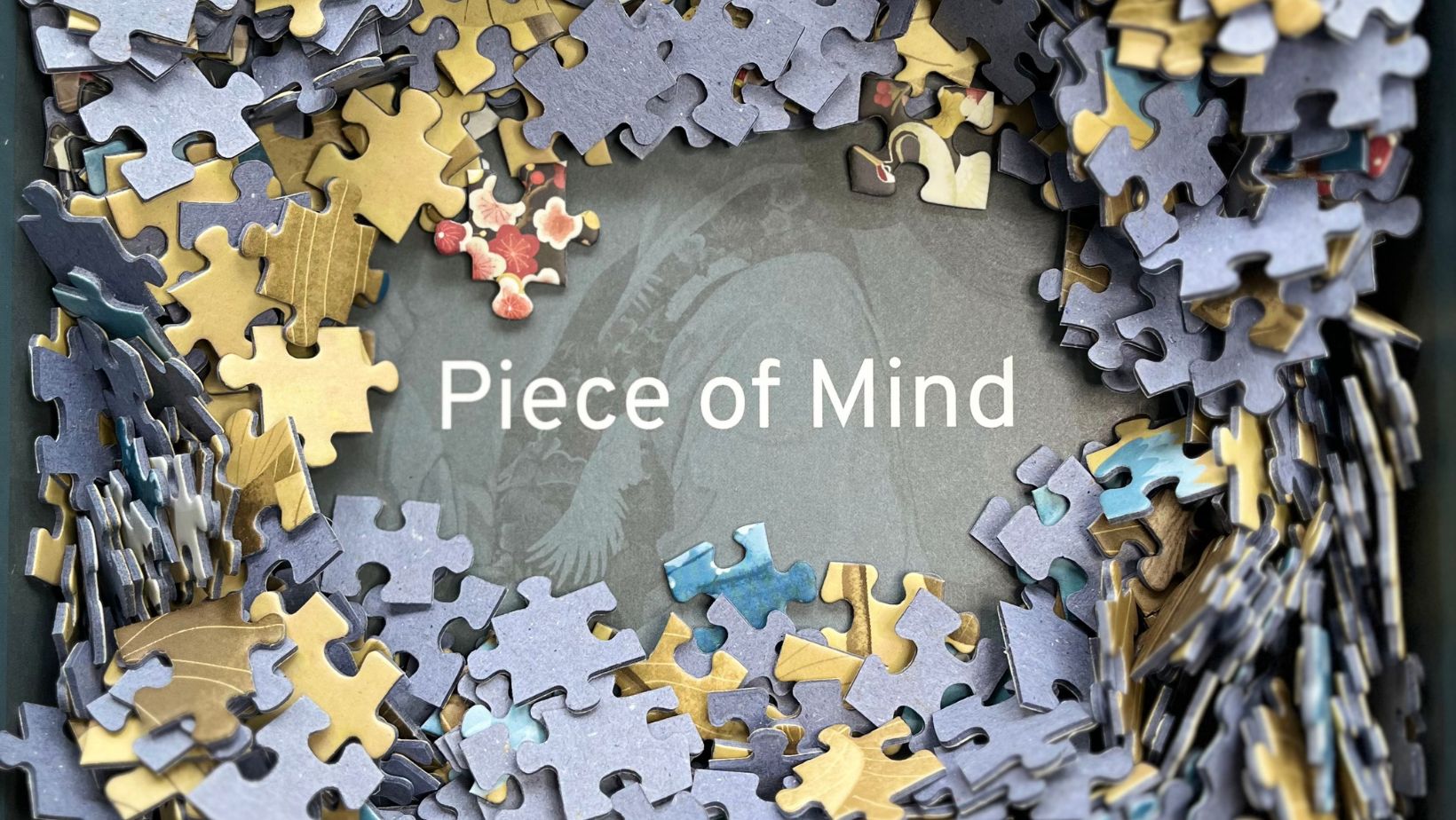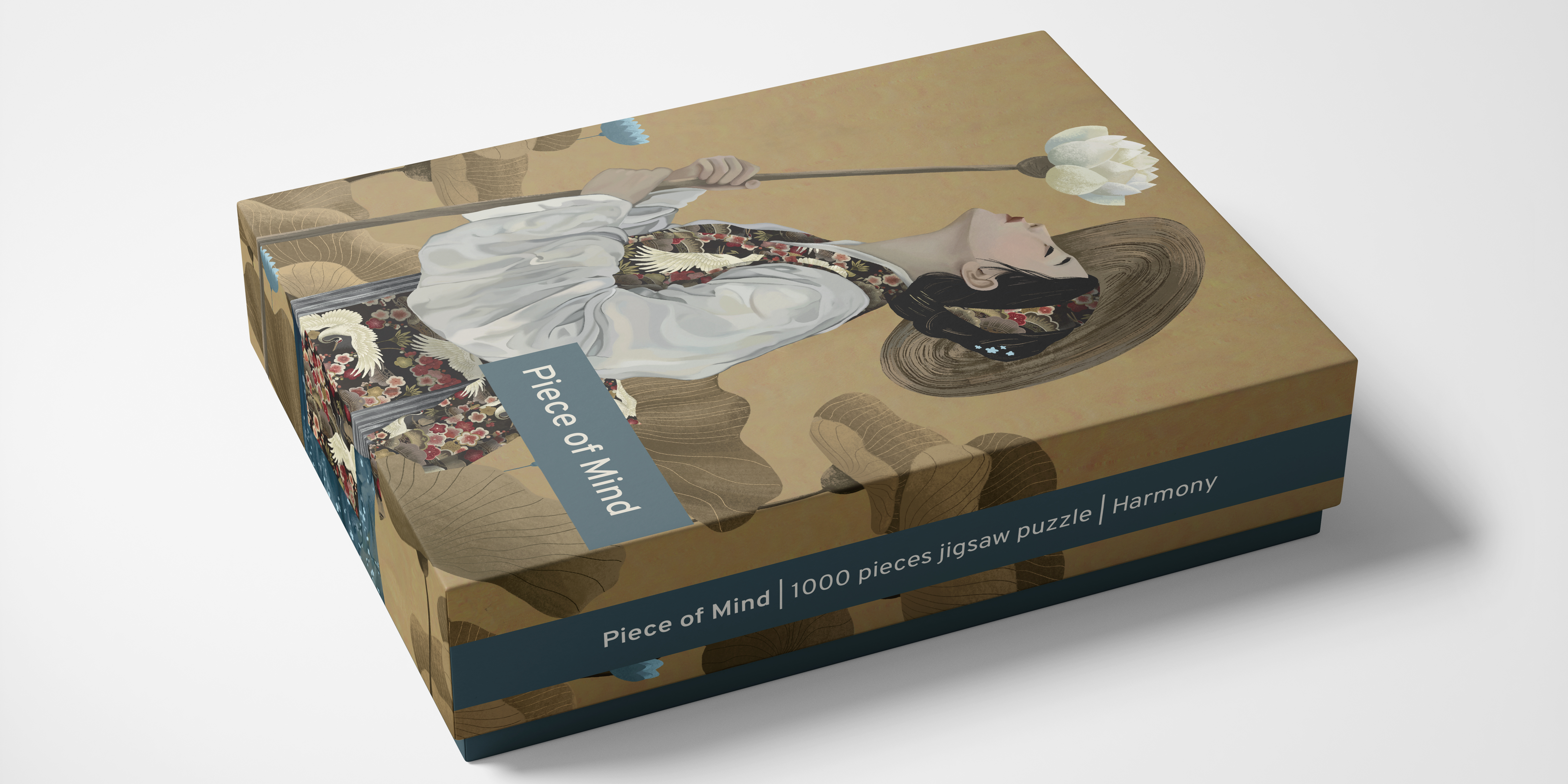
Life can feel overwhelming at times. Endless notifications, busy schedules, and constant streams of information leave many of us searching for ways to slow down and regain a sense of calm. While puzzles are often seen as a simple pastime, many people describe them as something more. For them, puzzling becomes a form of "puzzle therapy"—a quiet, focused activity that helps reduce mental clutter and create space for relaxation. But why does concentrating on hundreds of small pieces feel so calming?
The answer lies in the way puzzles engage our attention, our hands, and our minds.