
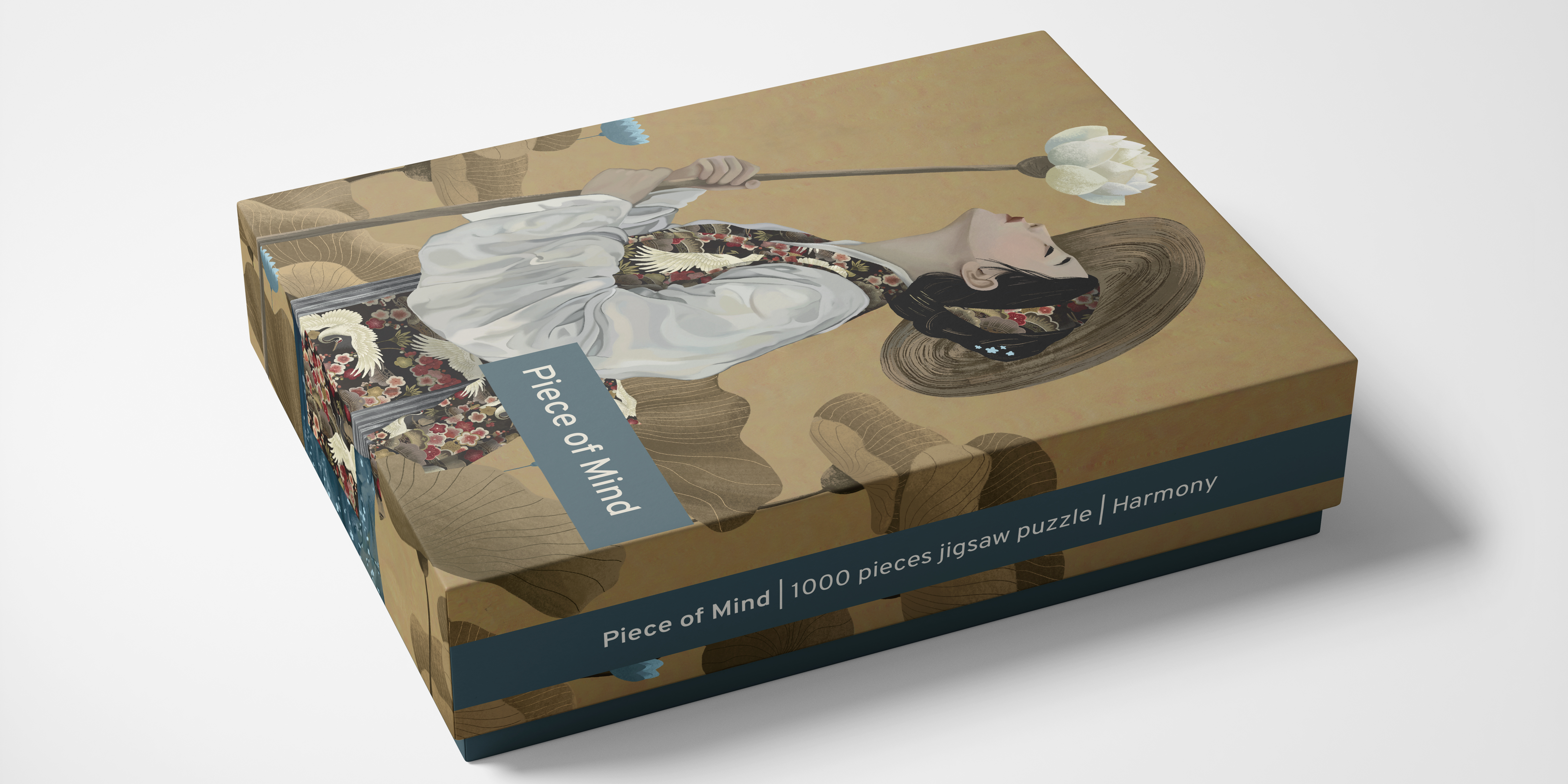
Most people enjoy jigsaw puzzles because they are relaxing, creative, and screen-free. Yet puzzles offer more than simple entertainment. By engaging attention, memory, and problem-solving skills, they provide a gentle workout for the brain—one that feels enjoyable rather than demanding.
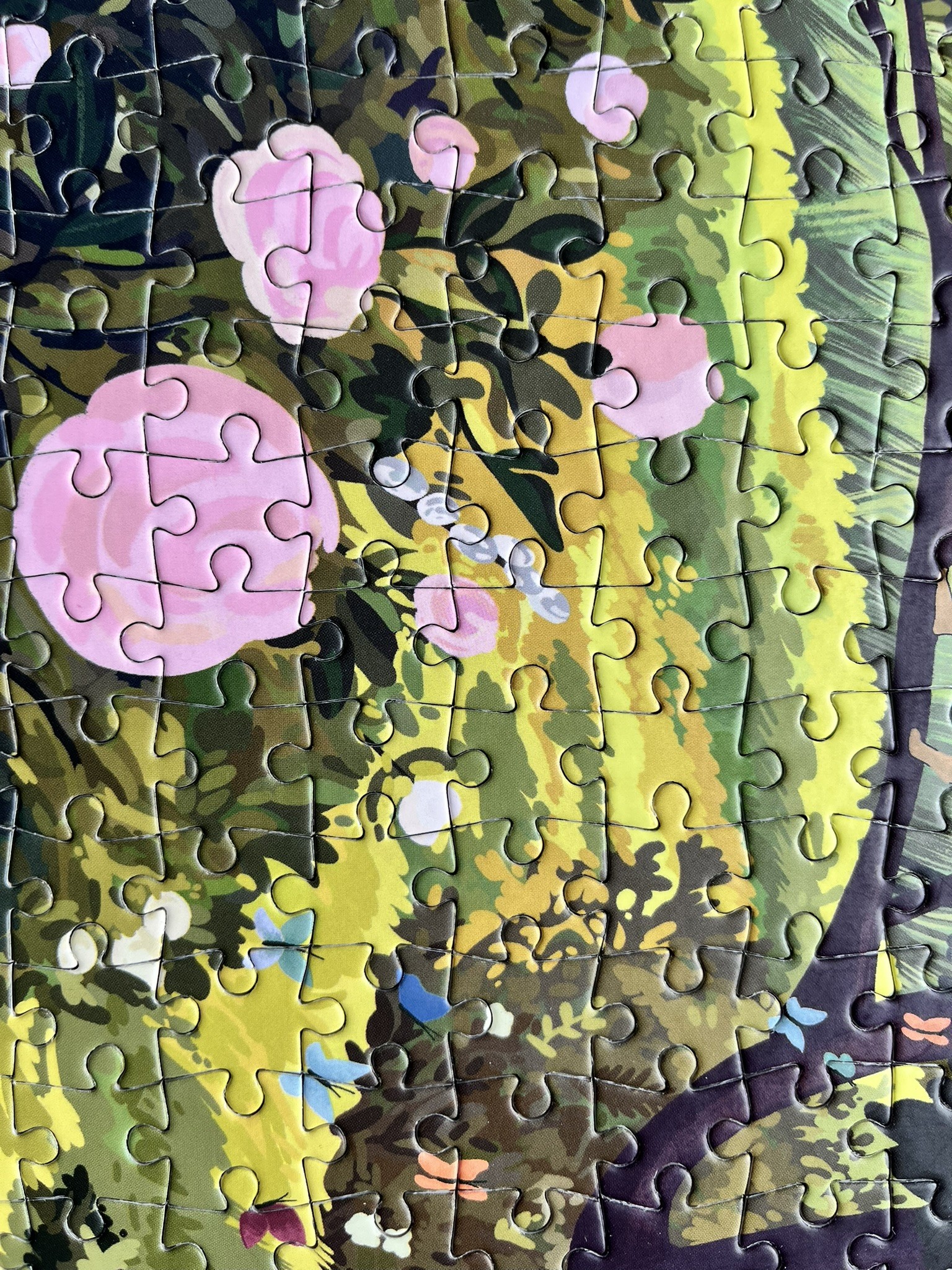
Puzzle Therapy: Focus and Cognitive Benefits of Jigsaw Puzzles
Read more
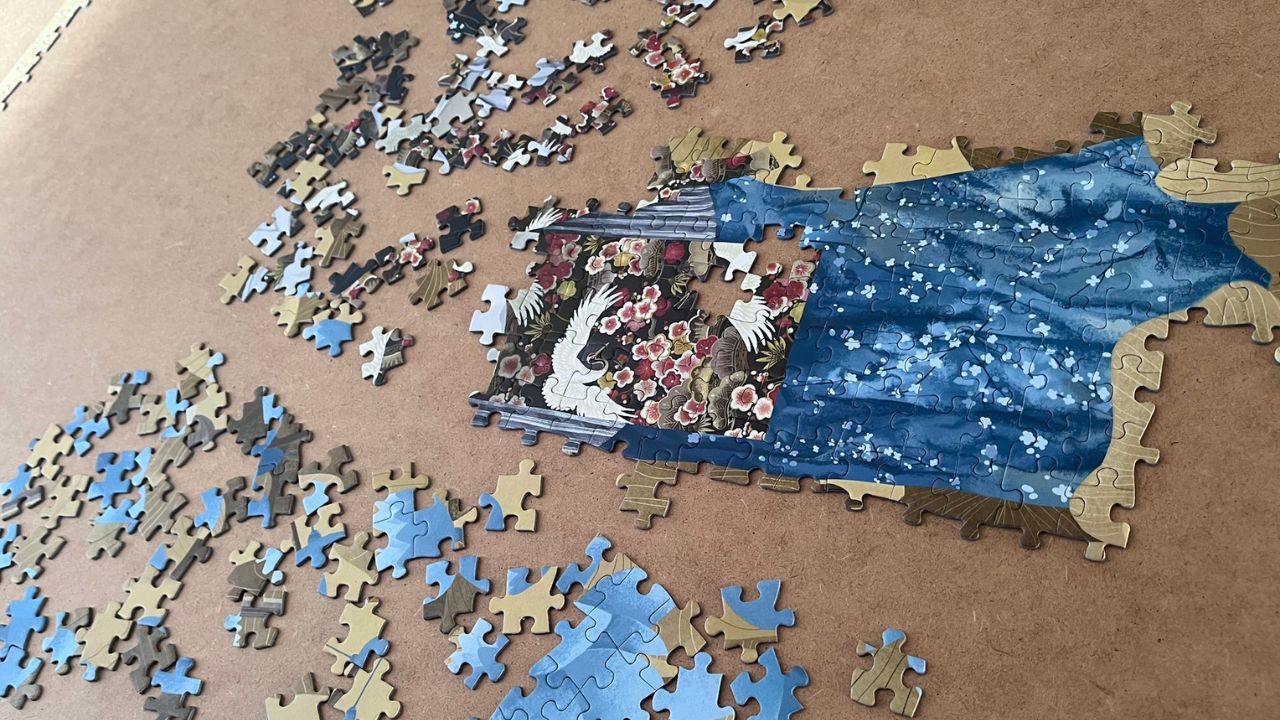
Why Analog Hobbies Are Making a Comeback
A decade ago, it seemed that technology would replace many traditional hobbies. Smartphones, streaming platforms, and social media offered endless entertainment at our fingertips. Yet today, more people are returning to puzzles, books, drawing, knitting, and other offline activities. Why are analog hobbies becoming popular again?
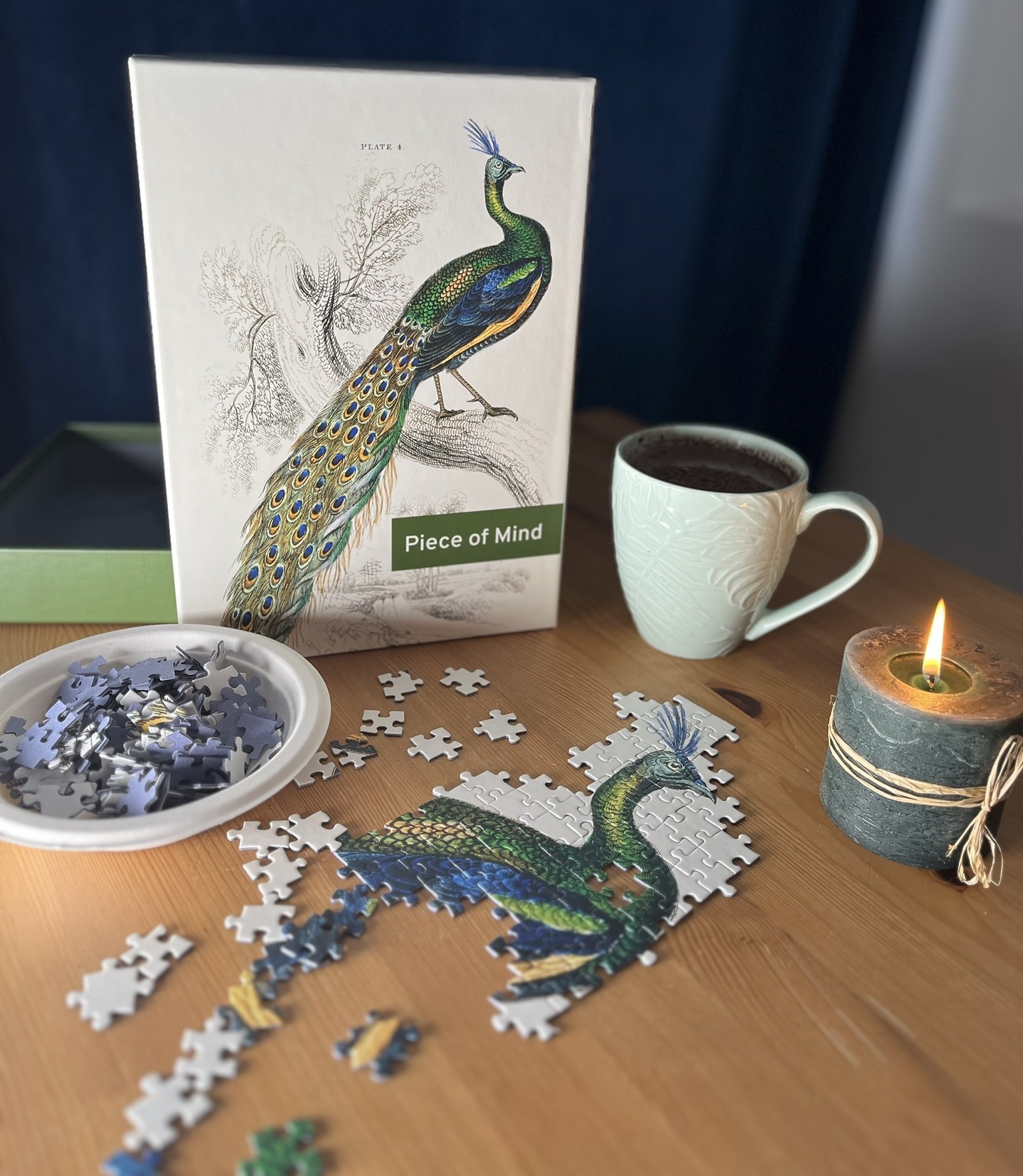
Jigsaw puzzles as a way to relieve stress – do they really help?
Do jigsaw puzzles help with stress?
In a world where everything moves at a fast pace and our attention is constantly divided, more and more people are looking for simple ways to unwind. Jigsaw puzzles for adults are making a comeback as more than just a hobby — they offer real support in managing stress and overstimulation.
But do they really work?

What do puzzles do to our brains? Psychological benefits of jigsaw puzzles
Jigsaw puzzles are more than a hobby. It's an activity that engages the body and mind in ways we often underestimate. In a world of overstimulation and constant rush, a moment spent on a jigsaw puzzle can act as a reset. But exactly what benefits does this simple ritual bring to our brain and psyche?
