
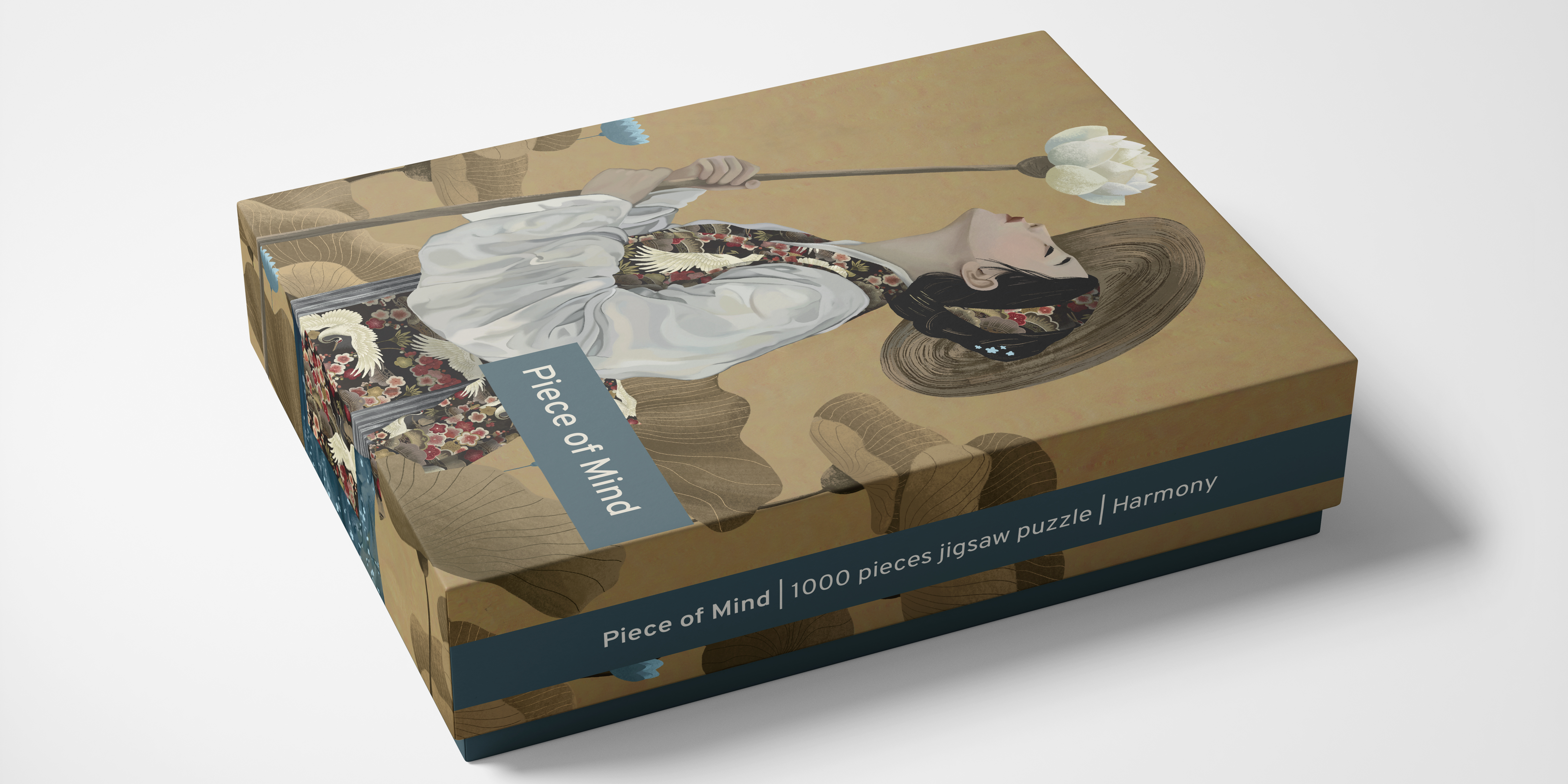
Are you wondering which jigsaw puzzle to choose to start with – 500 or 1000 pieces? This is one of the most common questions among people who are just starting their journey with adult jigsaw puzzles. Choosing the right number of pieces is crucial for the comfort and enjoyment of the jigsaw-laying experience.
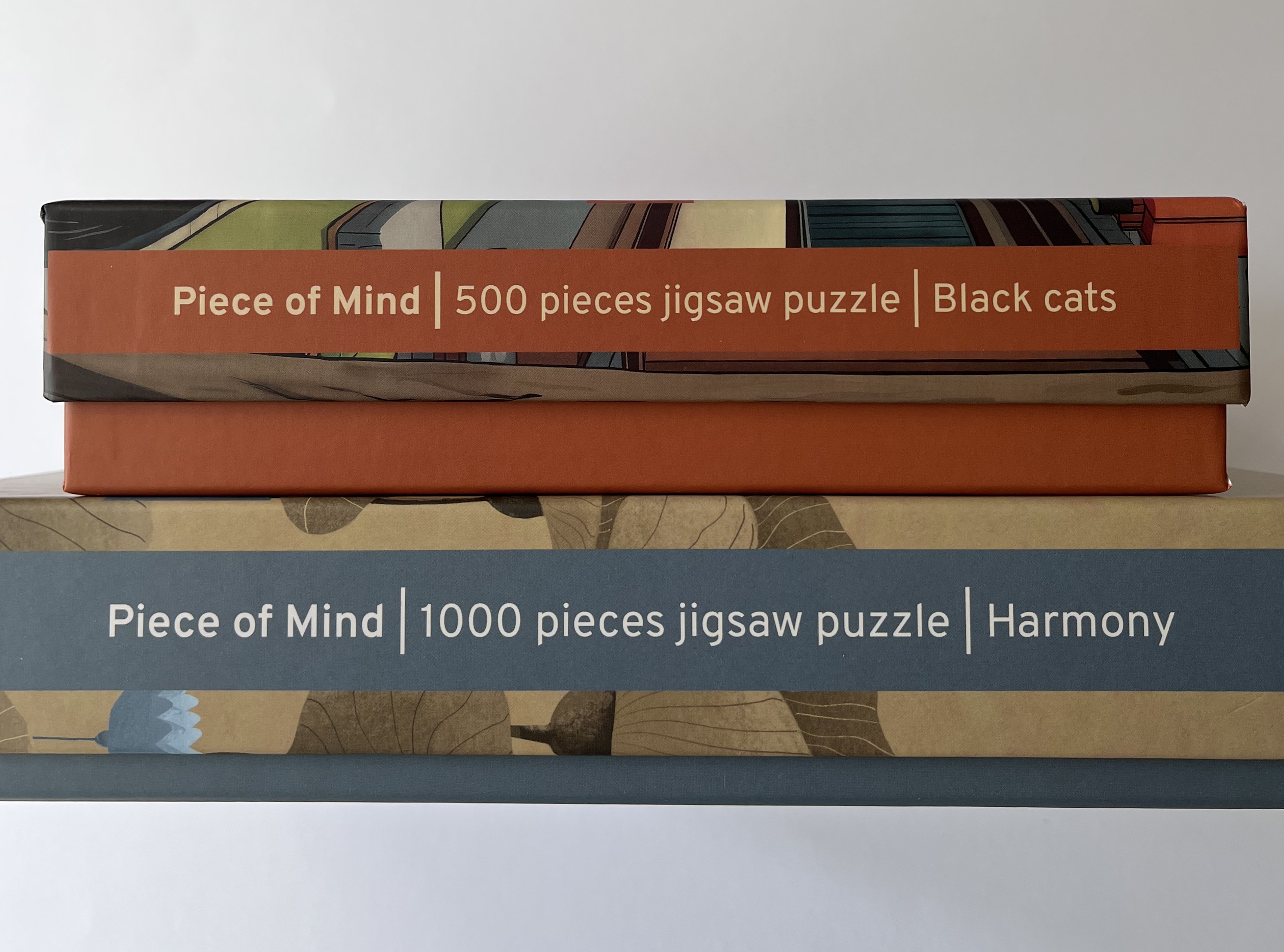
Which jigsaw puzzle should you choose to start with? 500 or 1000 pieces
Read more
Premium jigsaw puzzles vs cheap ones – is it worth paying extra? Find out the differences
Not all jigsaw puzzles are the same. Find out how premium jigsaw puzzles differ from cheaper ones, and why quality matters when it comes to the enjoyment of putting them together.
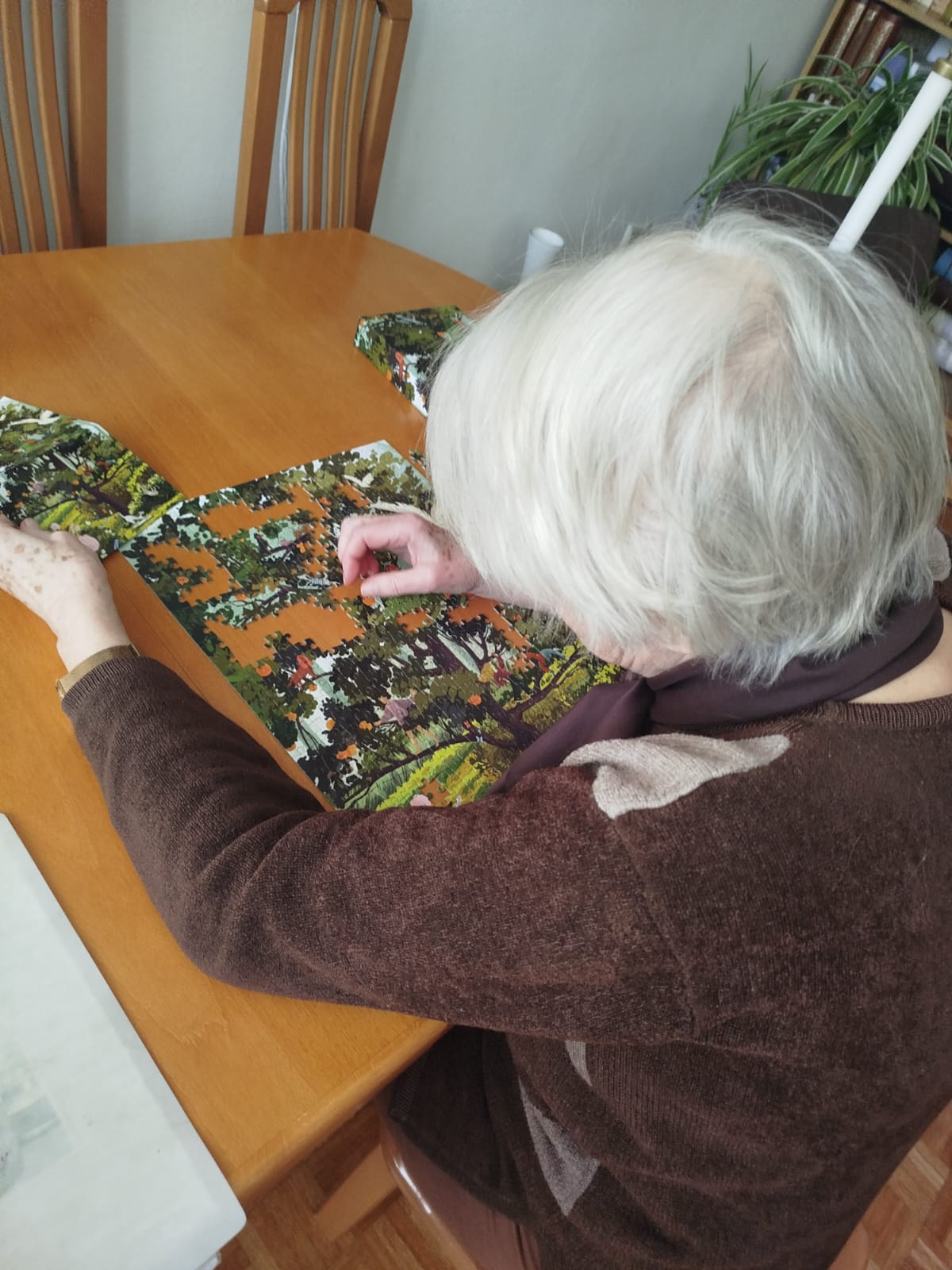
Why should seniors do jigsaw puzzles? Benefits for the mind and well-being
Putting together jigsaw puzzles is one of the simplest and most accessible ways to keep seniors' brains healthy. It combines cognitive training, relaxation, mood improvement and the opportunity to build relationships.
It proves that even seemingly small pieces can be used to create something bigger – peace of mind, satisfaction and a better quality of life.

Autumn in tune with nature – why it's worth slowing down
Autumn, although it can be a difficult and melancholic time for many of us, is in tune with the natural rhythm of nature – slowing down and resting. It is a time to allow ourselves to regenerate and take care of ourselves, instead of forcing ourselves to be constantly active. Autumn self-care consists of small rituals: candlelight, walks among the leaves, more sleep, creative evenings, or meetings with loved ones. The author also shares her own ritual – hot chocolate or tea with honey and lemon, afternoon naps, and a warm sweater to help her survive the colder days. Autumn then becomes not a depressing period, but an invitation to calm, reflection, and preparation for the new energy of spring.
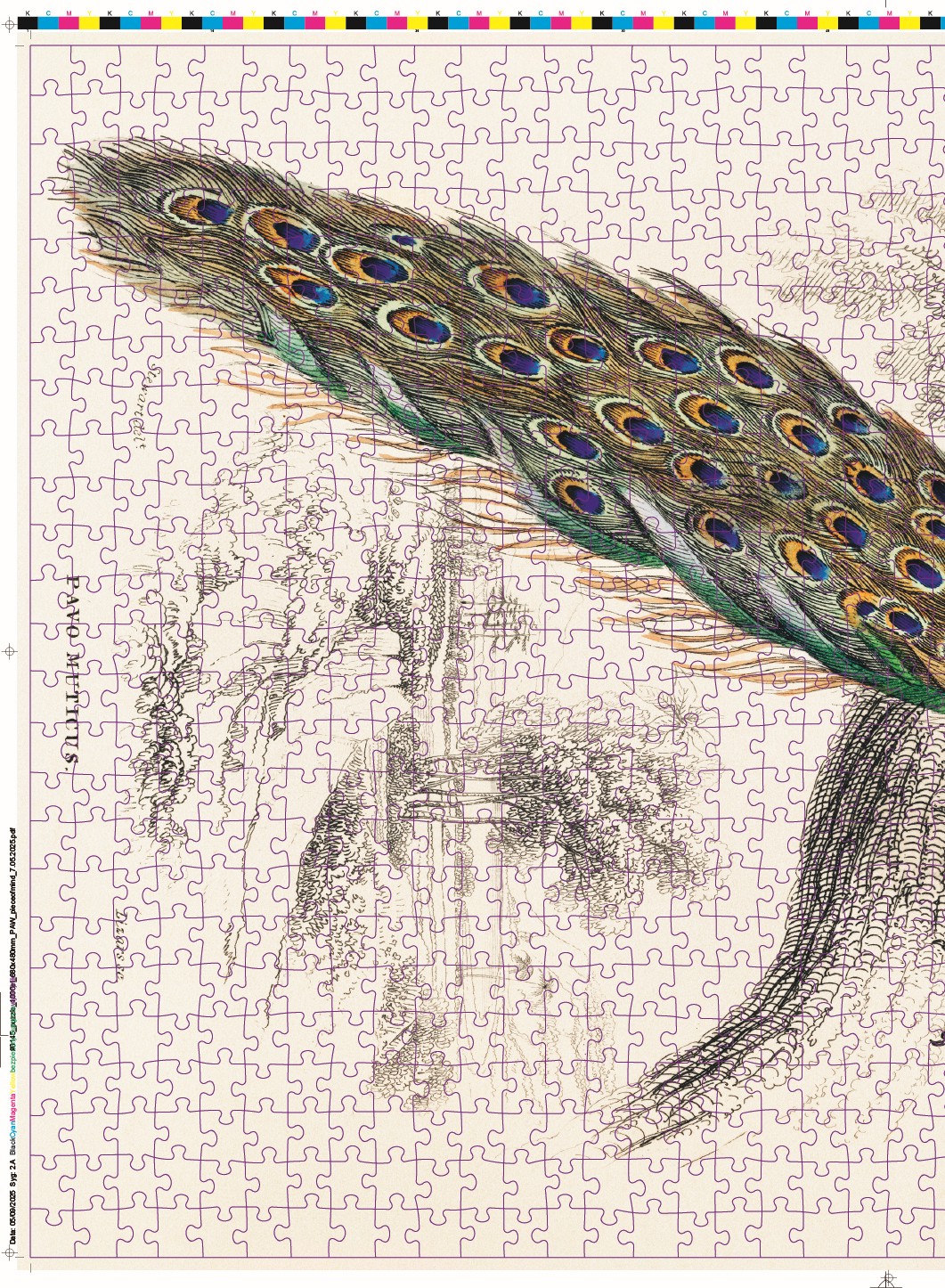
How are jigsaw puzzles made? From design to box
Jigsaw puzzles seem simple – they consist of cardboard pieces that together form a picture. However, behind each set lies a surprisingly complex manufacturing process. It is a combination of art, technology and paper engineering.
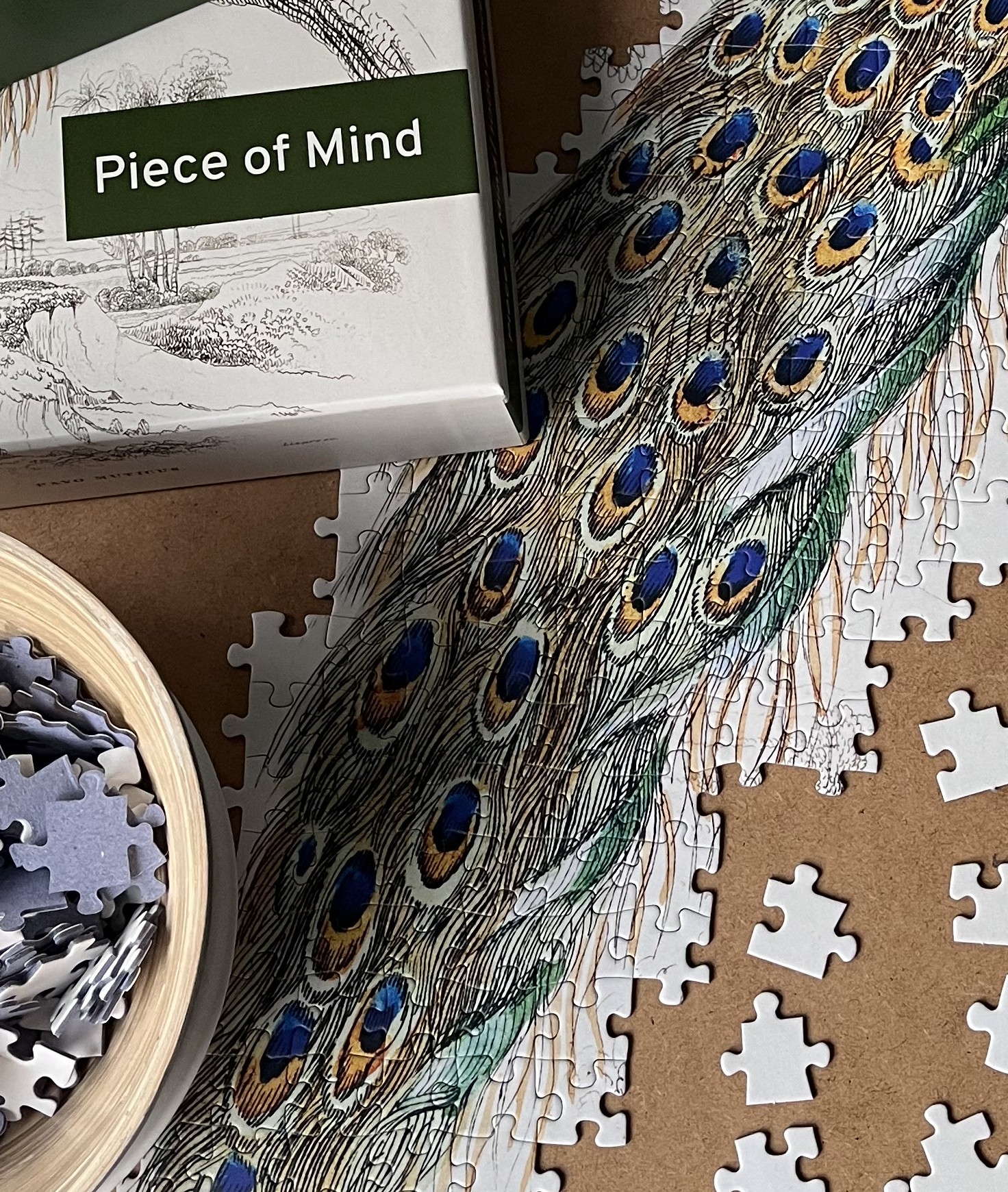
How to make puzzle solving easier? Proven techniques and little rituals
Putting together a puzzle is not only relaxing, but also a small art of organization. In this article, we share proven ways to make this process easier: from choosing a place, through sorting the pieces, to techniques for building the image. You will also find tips on how to make puzzle-solving your daily ritual — calm, quiet, and mindful.
How does putting together a jigsaw puzzle affect emotions?
Jigsaw puzzles are a simple way to calm down and improve your mood. Putting together a jigsaw puzzle teaches patience and allows you to slow down in a hectic world. Touch, sound, rhythm - puzzles engage the senses and help you focus on the present moment. Each matching piece is a reward for the brain and a boost of motivation. Puzzles help you enter a state of deep concentration, giving your mind a respite. It's a ritual that allows for solitude without pressure and a gentle respite from everyday life.

Entropy and puzzles: how putting together a picture becomes an exercise in physics, philosophy and psychology
Putting together a puzzle is not only fun, but also a symbolic battle against entropy - the physical concept of chaos and disorder. Scattered jigsaw puzzles represent a state of high entropy, and putting them together restores order, “reversing the arrow of time,” as it were. From the perspective of cognitive psychology, putting the puzzle together engages working memory, visuospatial perception, concentration and executive functions. EEG studies show that the brain enters a meditation-like state during this activity, which explains its calming effect. Philosophically, jigsaw puzzles symbolize the human need to give meaning and order to a chaotic reality. As Bachelard wrote, organizing a space gives a sense of “home” - even if it's just a puzzle picture. Neurobiologically, each matching piece activates the reward system and triggers dopamine, enhancing motivation.
Preorder of the first Piece of Mind puzzles has started!
Preorder of the first Piece of Mind puzzles has started!

Life as a jigsaw puzzle - about meaning, chaos and putting everyday life in order
Sometimes we all feel that our lives resemble a jigsaw puzzle scattered around. Events, emotions, memories and decisions lie scattered without order and composition, and we try to find a frame - an anchor point from which to start. Instead of order - chaos. Instead of harmony - a sense of confusion.
