What Does It Mean to Be Meditative?
Meditation is often associated with one simple idea: paying attention. Rather than dwelling on the past or worrying about the future, meditation encourages us to focus on what is happening right now.
A meditative activity typically involves:
- sustained attention,
- reduced distractions,
- repetitive or absorbing actions,
- awareness of the present moment.
Interestingly, jigsaw puzzles naturally incorporate many of these elements.
Why Modern Minds Struggle to Slow Down
Today's world constantly competes for our attention. Notifications, emails, social media feeds, and endless streams of information encourage us to switch focus every few seconds. As a result, many people find it difficult to sit still, concentrate, or simply be present. The brain becomes accustomed to stimulation and novelty. This is one reason why activities that encourage sustained focus feel increasingly valuable.
Puzzles Encourage Present-Moment Awareness
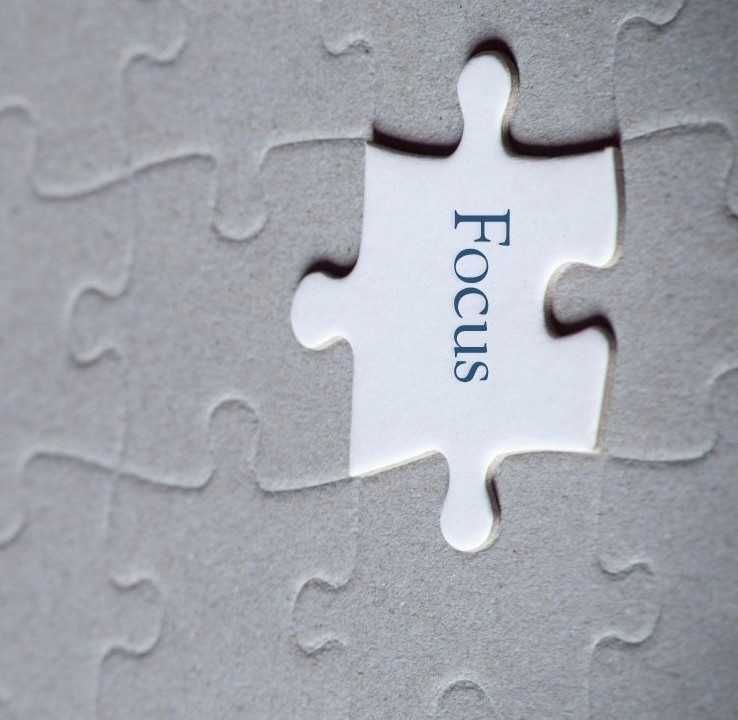
When working on a puzzle, attention naturally shifts toward the task at hand.
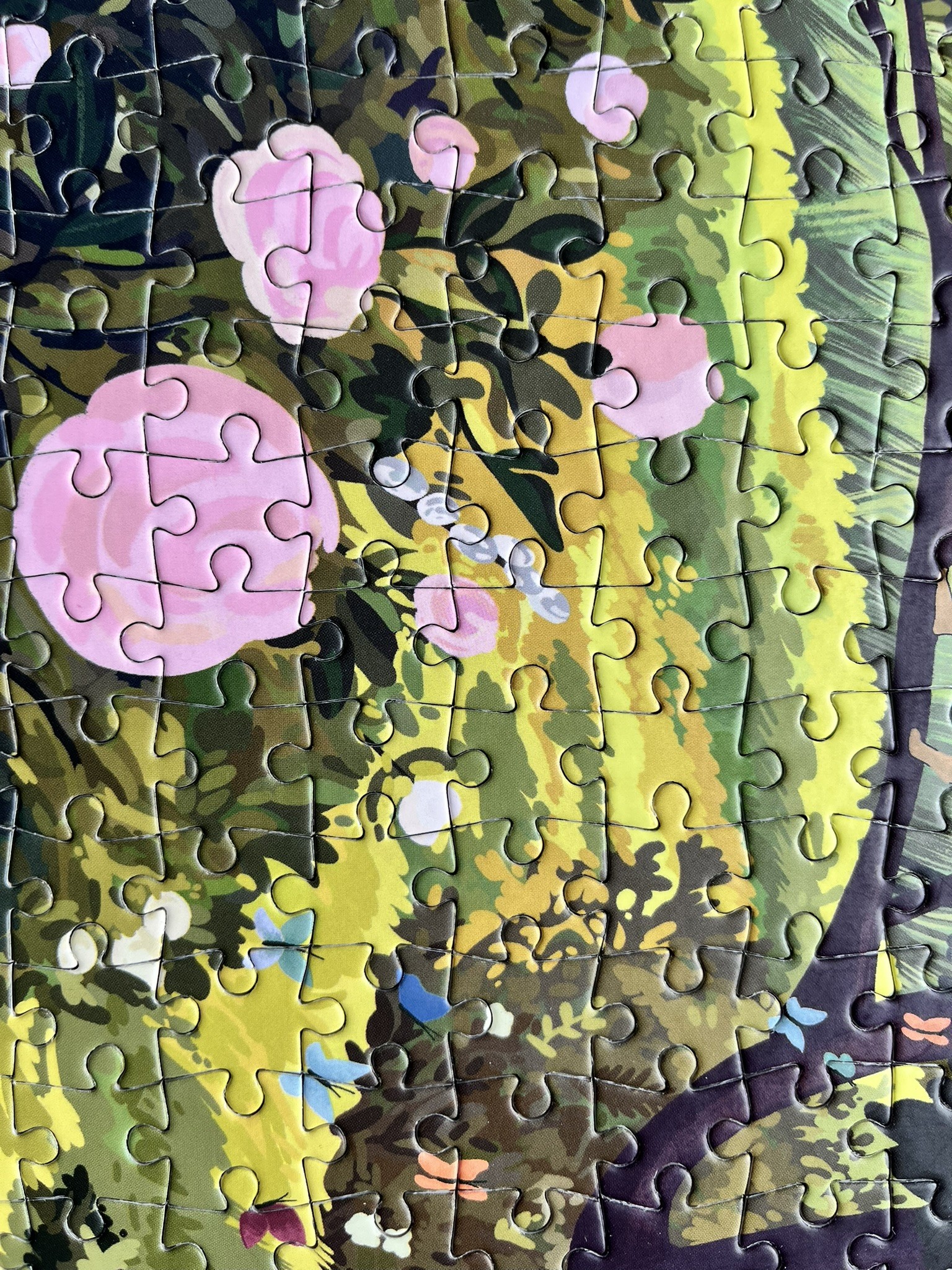
You begin to notice:
- colors,
- shapes,
- patterns,
- small visual details.
For a while, the mind becomes occupied with finding connections rather than replaying worries or planning tomorrow's schedule. This gentle focus can feel surprisingly restorative. Not because problems disappear, but because attention is temporarily directed elsewhere.
A Break from Constant Mental Noise
Many people describe puzzling as a way to "switch off." Of course, the brain remains active throughout the process. However, it is engaged differently. Instead of processing information, making decisions, or responding to notifications, the mind concentrates on a single, manageable challenge. This shift can create a welcome sense of calm.
The Connection Between Puzzles and Flow
Psychologists describe "flow" as a state of complete immersion in an activity.
During flow:
- time seems to pass quickly,
- concentration feels effortless,
- the activity itself becomes rewarding.
Jigsaw puzzles often create ideal conditions for flow. They are engaging enough to hold attention, yet calming enough to avoid overwhelming the mind. Many puzzlers know the feeling of looking up from a puzzle and realizing that hours have passed unnoticed.
Why Repetition Can Be Relaxing
Modern culture often values speed, efficiency, and constant productivity. Puzzling offers something different.
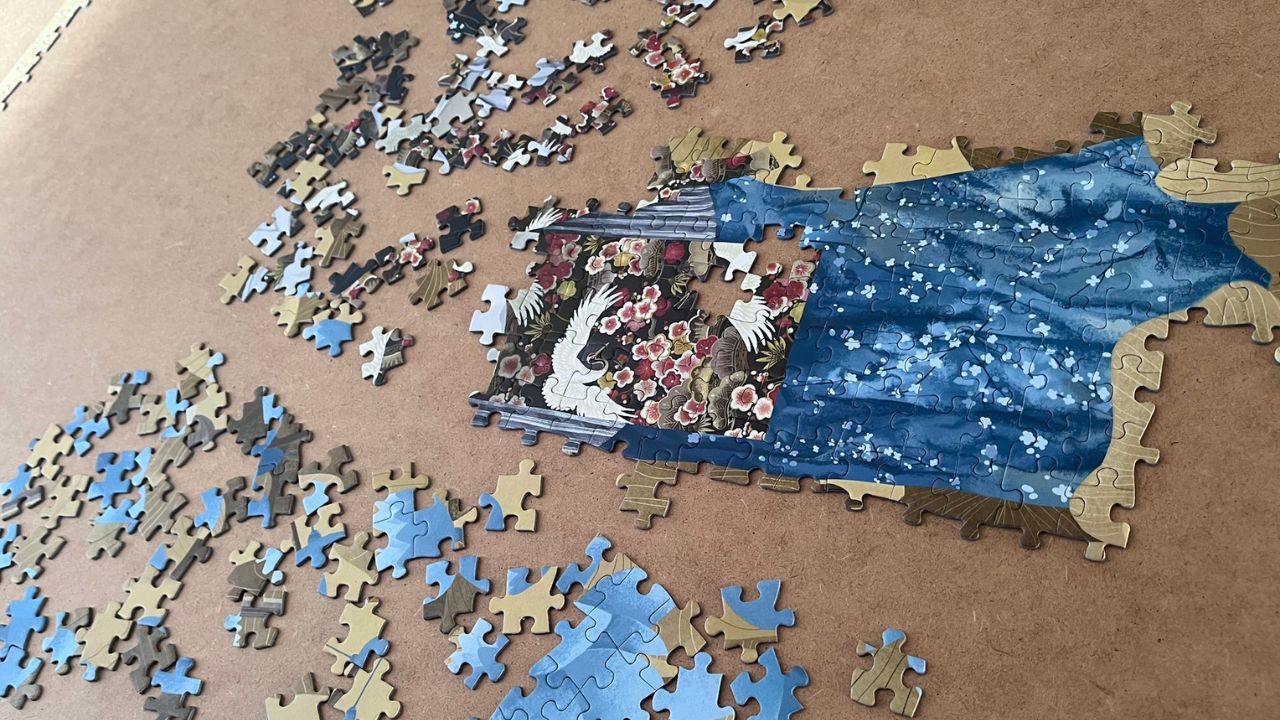
The process involves:
- sorting,
- observing,
- matching,
- repeating small actions.
These repetitive movements can feel grounding. They create a rhythm that encourages the mind to settle and focus.
Meditation Doesn't Have to Look a Certain Way
One common misconception is that meditation requires complete stillness or specific techniques. In reality, mindfulness can be practiced in many forms. For some people, sitting meditation feels natural. For others, concentration develops more easily through activities that engage both the mind and the hands. There is no single right way to cultivate presence. The goal is not perfection. The goal is attention.
Why Analog Activities Matter
Jigsaw puzzles are part of a growing movement toward analog hobbies. As more of life takes place on screens, many people are seeking experiences that feel tangible and real.
Puzzles offer:
- a physical object,
- a clear sense of progress,
- freedom from notifications,
- a slower pace.
These qualities make puzzling a natural companion to mindful living.
A Simple Way to Practice Mindfulness
You do not need special equipment, training, or years of experience to experience the benefits of focused attention.
Sometimes all it takes is:
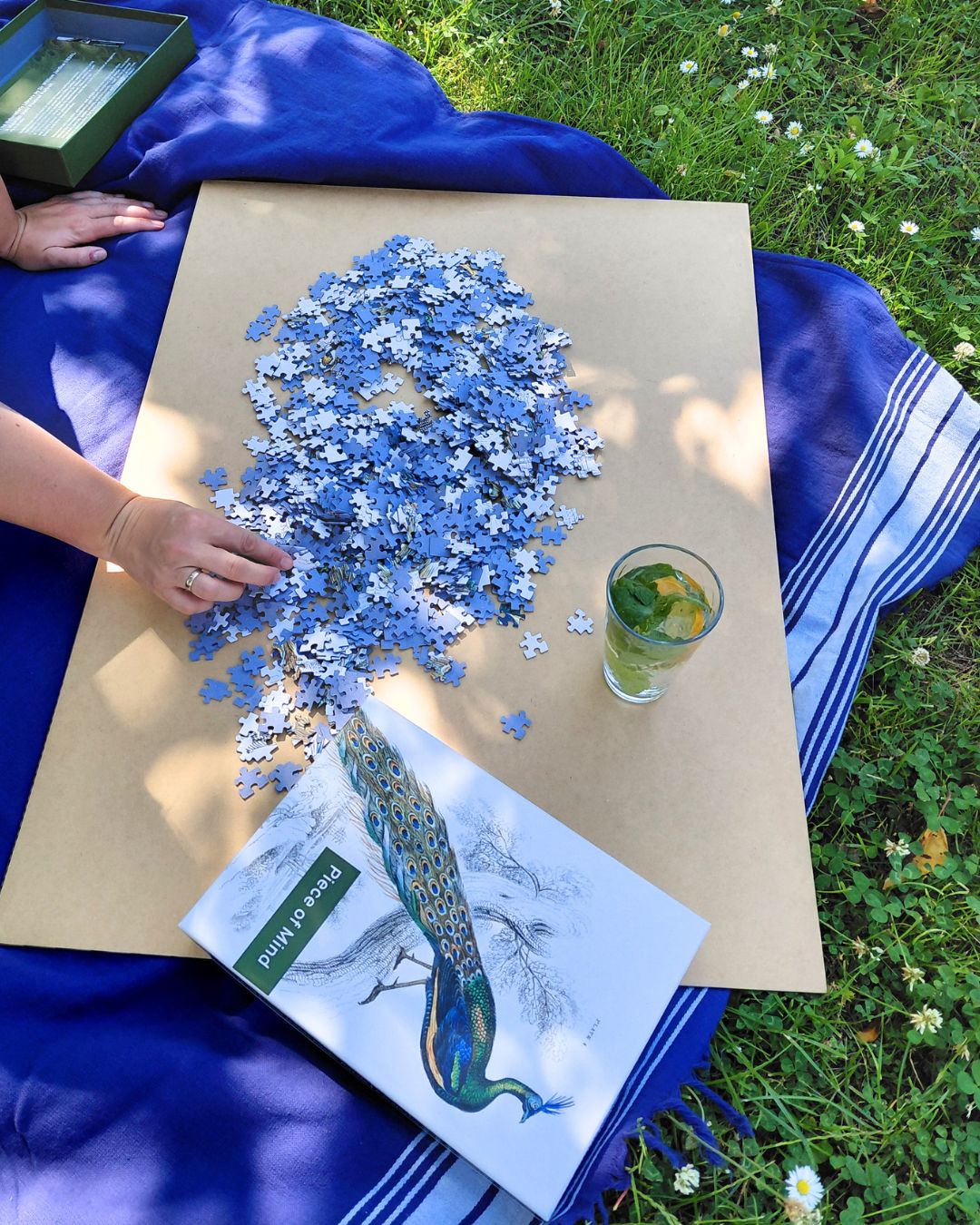
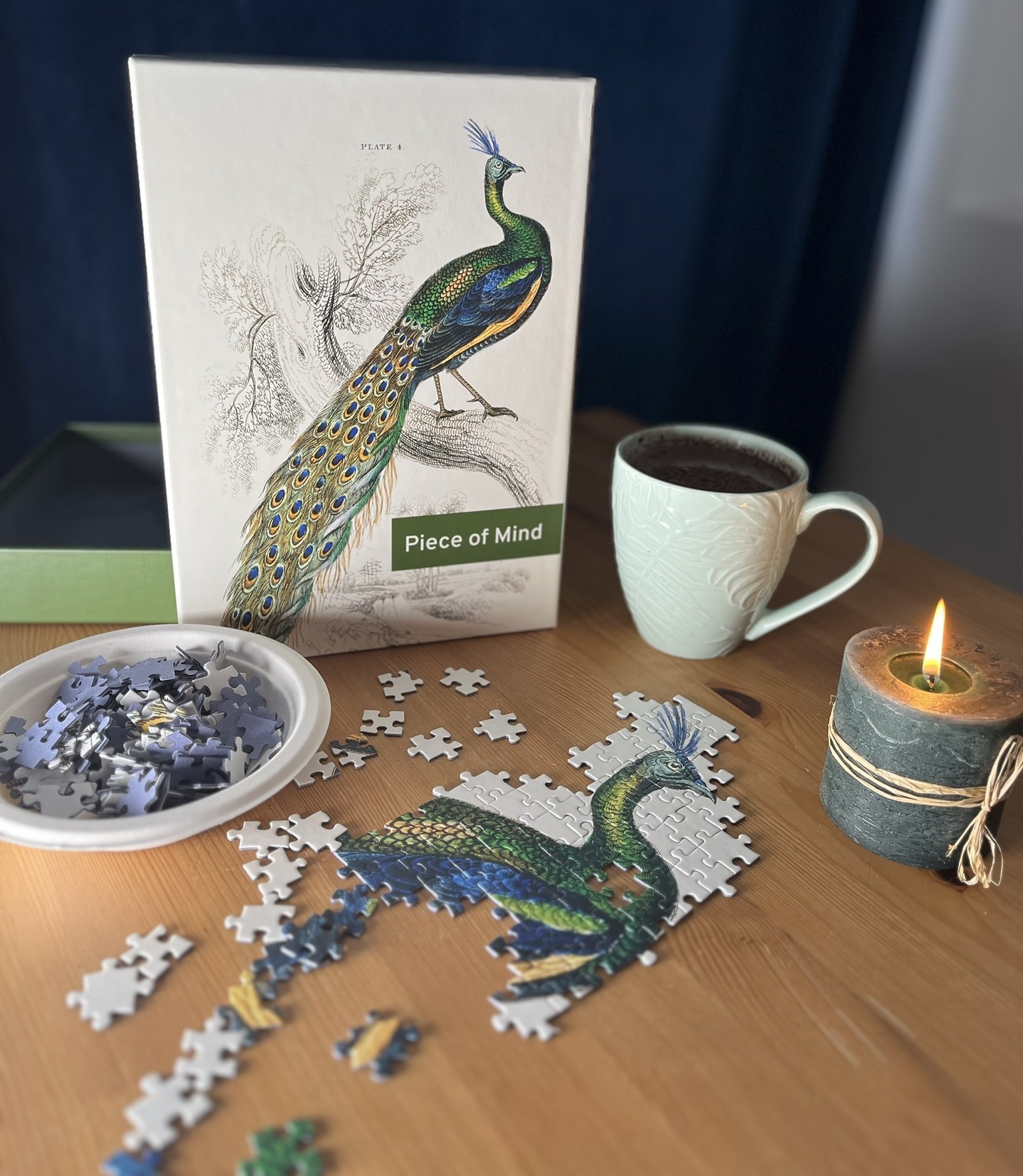
- a quiet table,
- an image you enjoy,
- a little uninterrupted time.
With each piece placed, the mind becomes slightly quieter and the present moment a little clearer.
Perhaps that is why so many people return to jigsaw puzzles again and again.
Not simply to complete a picture, but to enjoy the rare feeling of being fully absorbed in one thing at a time.
Find peace. Piece by piece.