What Is Puzzle Therapy?
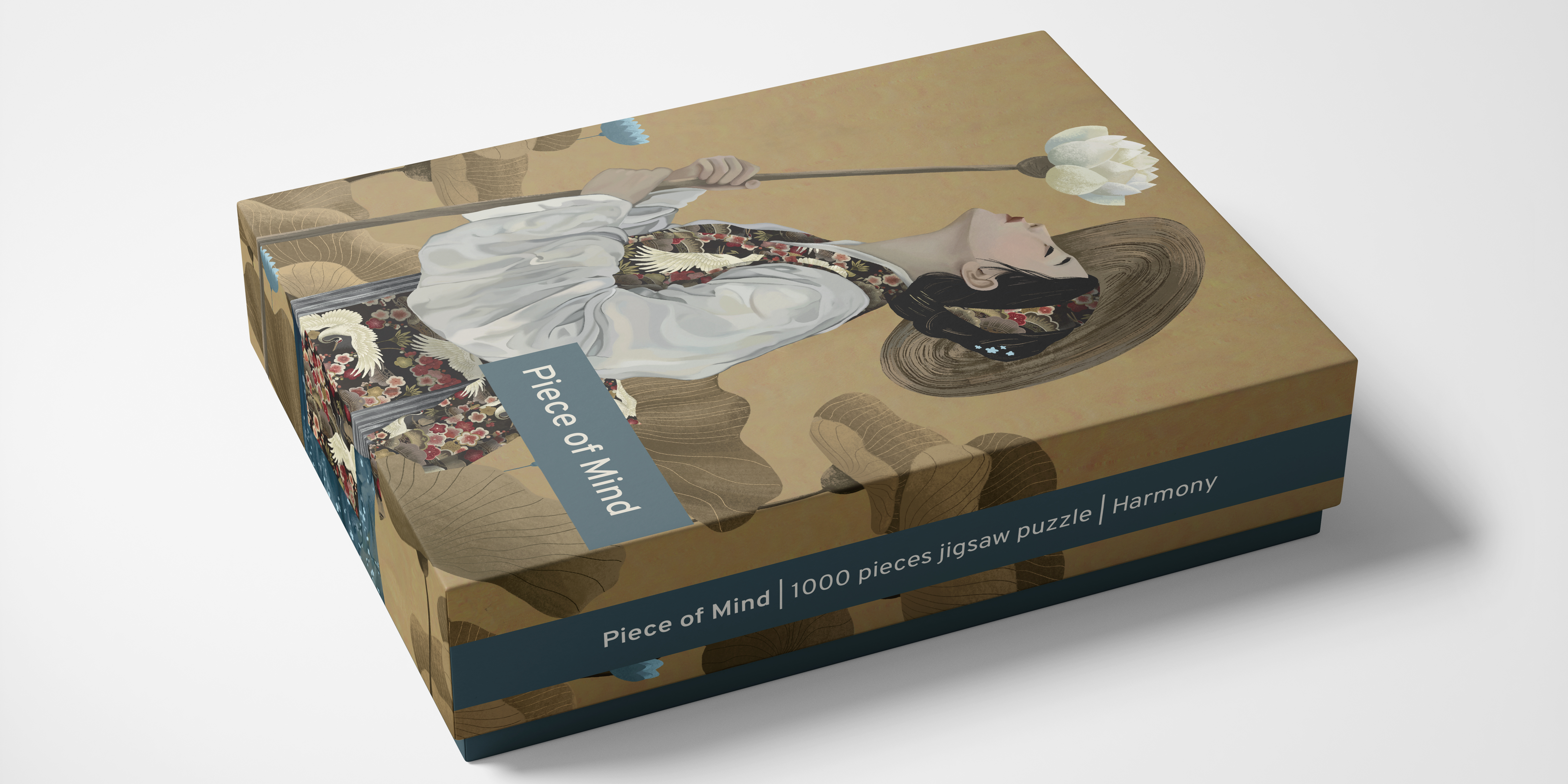
Puzzle therapy is not a formal medical treatment. Rather, it refers to the therapeutic qualities that many people experience while working on jigsaw puzzles.
Puzzling combines:
- focused attention,
- problem-solving,
- visual perception,
- patience,
- repetitive hand movements.
Together, these elements create an activity that feels both engaging and relaxing. Unlike many forms of entertainment, puzzles require active participation. Yet they do so without the pressure, urgency, or overstimulation that often accompany modern digital experiences.
Why the Mind Needs a Break
Our brains are not designed to process an endless flow of information. Throughout the day, we make decisions, respond to messages, manage responsibilities, and switch between tasks. Over time, this can lead to mental fatigue. Many people attempt to relax by scrolling through social media or consuming more content. However, these activities often continue to stimulate the brain rather than allowing it to recover. Puzzles offer something different. They provide a gentle challenge while simultaneously reducing the number of competing demands on our attention.
Focusing on Pieces Creates Mental Space
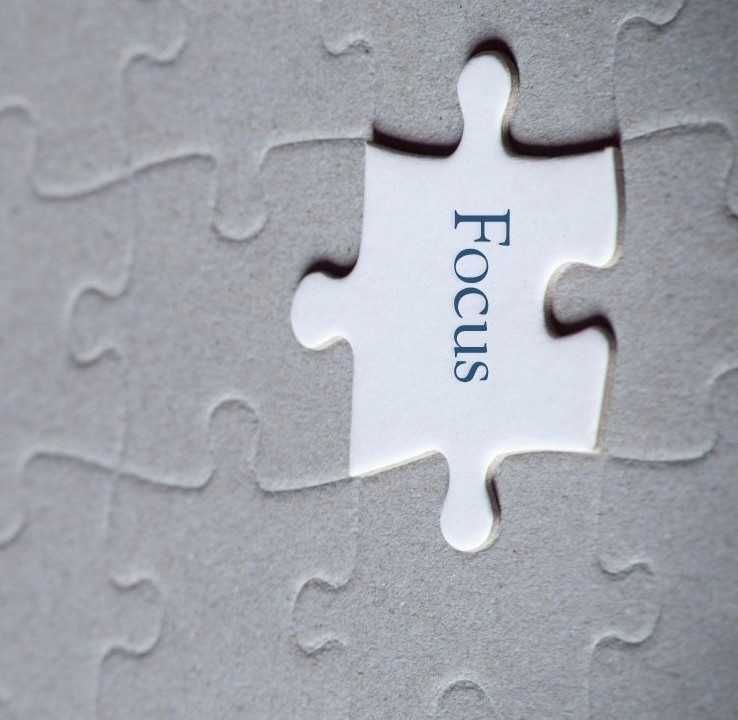
One of the most calming aspects of puzzling is its simplicity. At any given moment, your goal is clear:
find the next piece.
Not solve every problem in your life.
Not answer every email.
Not plan the entire week.
Just find the next piece. This narrow focus helps quiet the mental noise that often accompanies stress and anxiety. By directing attention toward a manageable task, puzzles create space for the mind to settle.
The Power of Present-Moment Attention
Many wellness practices emphasize the importance of being present. Mindfulness, meditation, and other contemplative practices encourage us to focus on what is happening right now rather than dwelling on the past or worrying about the future. Jigsaw puzzles naturally support this process.
While puzzling, attention shifts toward:
- colors,
- shapes,
- patterns,
- textures,
- visual relationships.
The present moment becomes more interesting than whatever is competing for attention elsewhere.
Why Repetition Feels Comforting
Modern life often rewards speed and novelty.
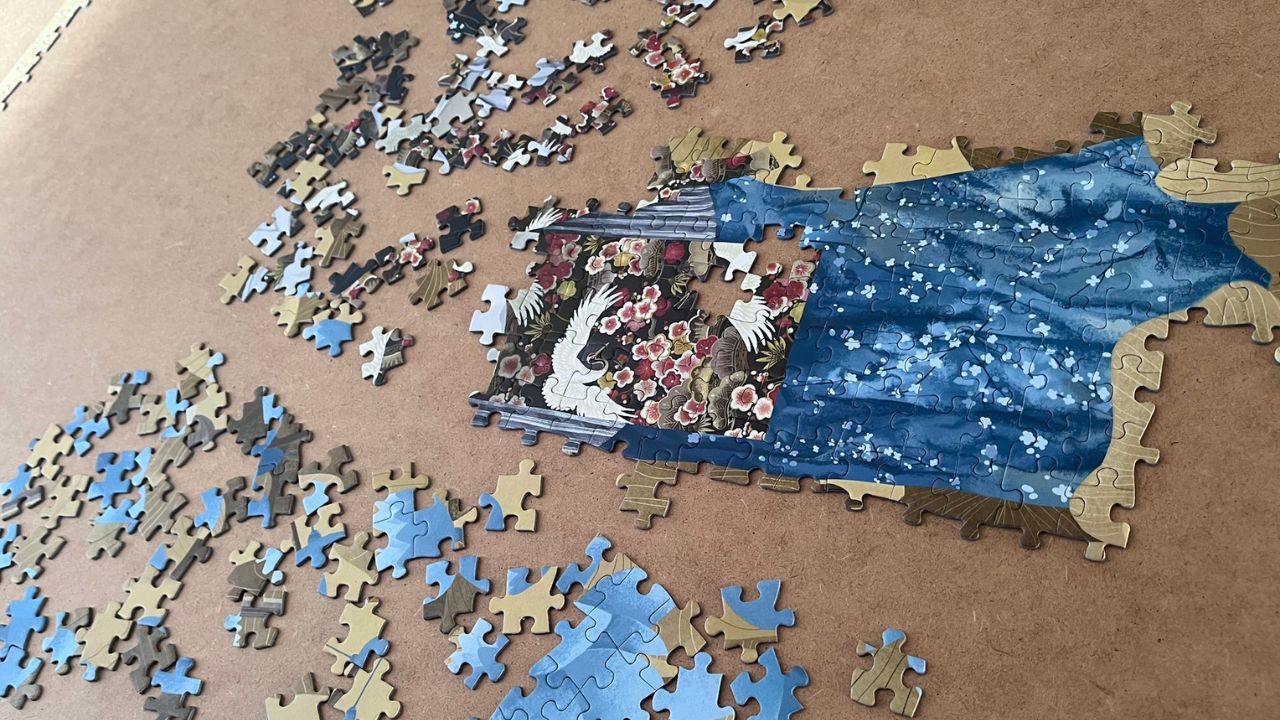
Puzzling, on the other hand, involves a series of small, repetitive actions:
- sorting pieces,
- comparing shapes,
- testing connections,
- gradually building the image.
These repetitive processes can feel surprisingly soothing. They create rhythm and predictability, qualities that help many people feel grounded.
Puzzles and the Flow State
Psychologist Mihály Csíkszentmihályi described flow as a state of complete immersion in an activity.
When we experience flow:
- concentration deepens,
- self-consciousness fades,
- time seems to pass differently,
- the activity itself becomes rewarding.
Jigsaw puzzles are particularly well suited to creating flow. The challenge is meaningful but manageable. The task is clear. Feedback is immediate. Each correctly placed piece provides a small sense of progress and satisfaction.
A Healthy Alternative to Screen Time
Many people spend their days moving from one screen to another. Work happens on a screen. Communication happens on a screen. Entertainment happens on a screen. Puzzles offer a welcome contrast.
They invite us to:
- slow down,
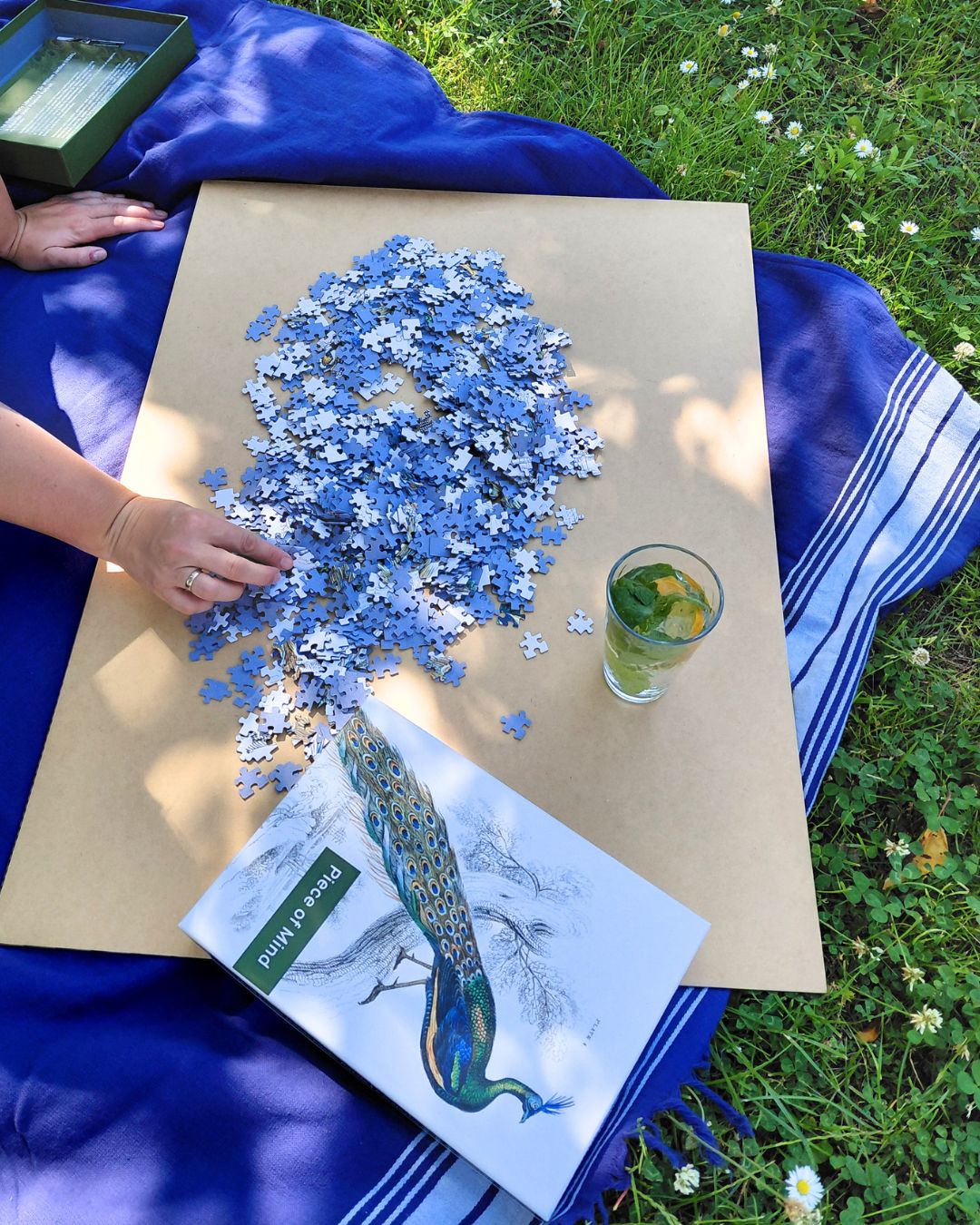
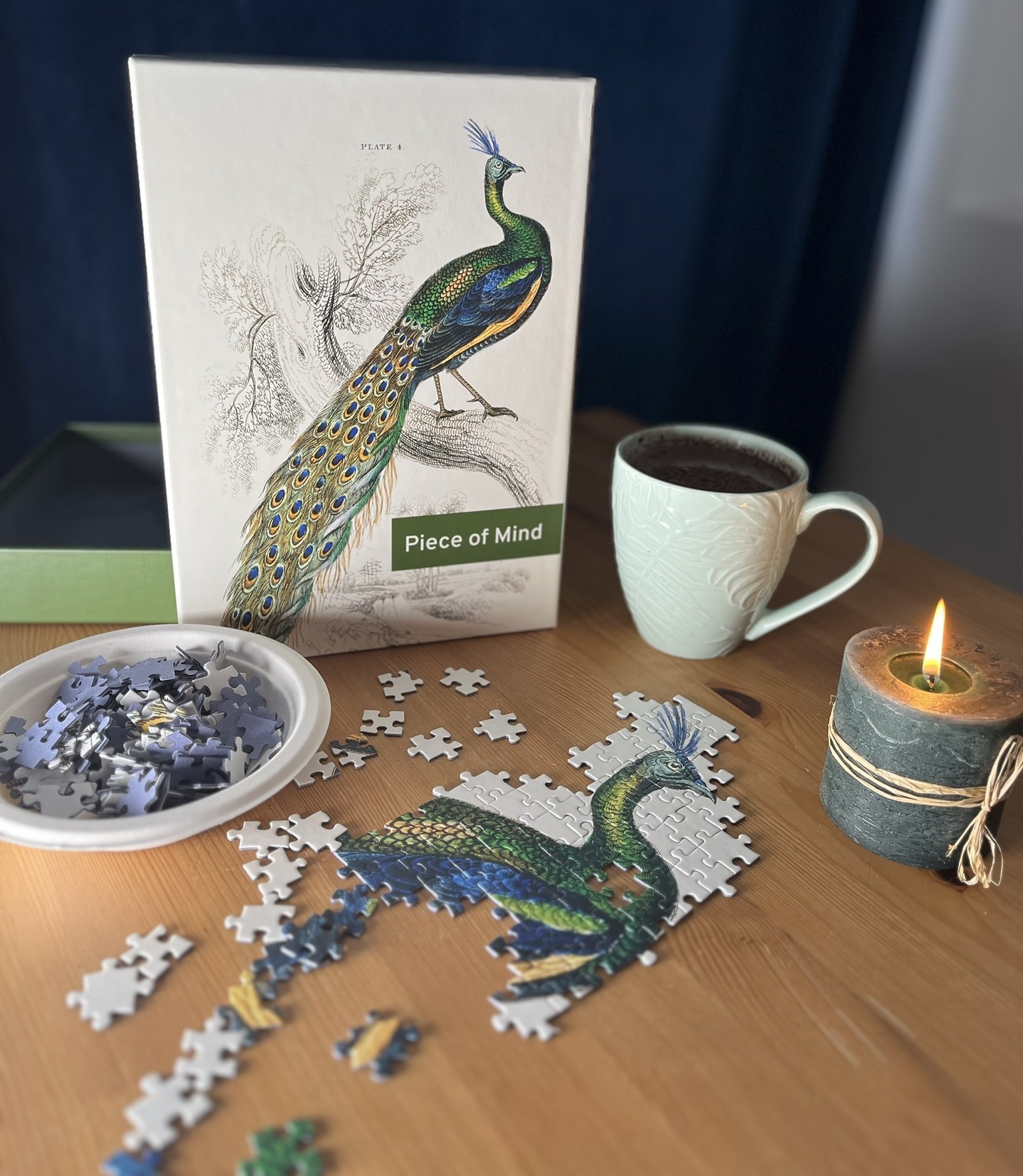
- engage with a physical object,
- use our hands,
- focus without interruption.
For this reason, many people find puzzling especially relaxing in the evening, when they want to unwind from a day of digital stimulation.
The Satisfaction of Building Something
Humans naturally enjoy creating order. A puzzle begins as a collection of disconnected pieces. Gradually, those pieces come together to form a complete image. There is something deeply satisfying about witnessing that transformation. Perhaps it reflects a broader human desire to find meaning, structure, and coherence in a complex world.
Puzzle Therapy and Everyday Well-Being
Puzzles are not a cure for stress, anxiety, or mental health challenges. However, they can be a valuable tool for supporting everyday well-being.
They encourage:
- focused attention,
- patience,
- calm concentration,
- screen-free relaxation,
- meaningful leisure time.
Most importantly, they remind us that rest does not always mean doing nothing. Sometimes, the most restorative activities are those that fully engage us in a simple, enjoyable task.
Piece by Piece
In a world that constantly pulls our attention in multiple directions, focusing on a single puzzle piece can feel surprisingly powerful. One piece becomes two. Two become ten. Eventually, a complete image emerges. The process cannot be rushed, and perhaps that is part of its beauty. Puzzle therapy is not about finishing as quickly as possible. It is about giving the mind permission to slow down, focus, and enjoy the journey—one piece at a time.