
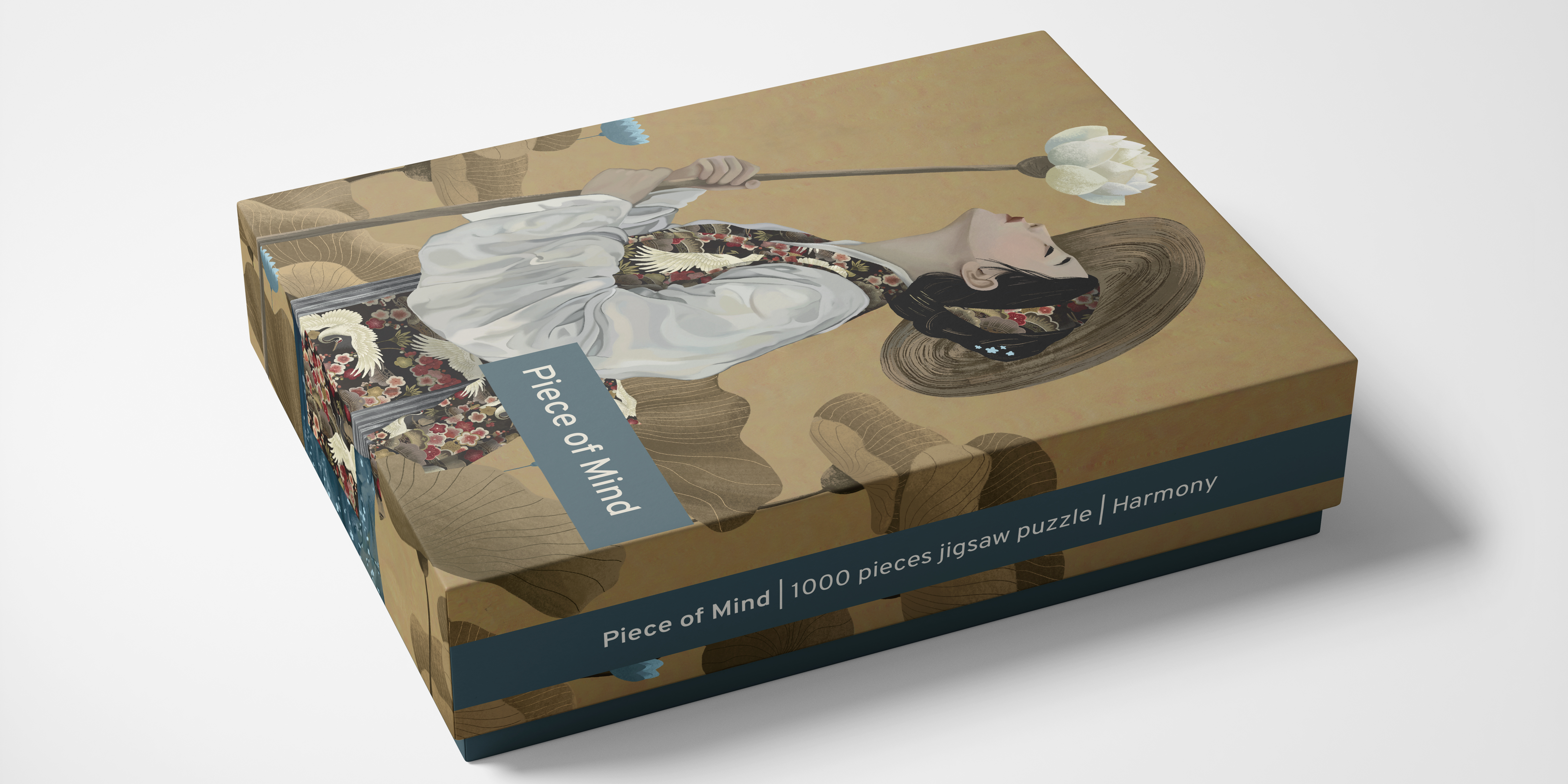
Putting together a puzzle is not only fun, but also a symbolic battle against entropy - the physical concept of chaos and disorder. Scattered jigsaw puzzles represent a state of high entropy, and putting them together restores order, “reversing the arrow of time,” as it were. From the perspective of cognitive psychology, putting the puzzle together engages working memory, visuospatial perception, concentration and executive functions. EEG studies show that the brain enters a meditation-like state during this activity, which explains its calming effect. Philosophically, jigsaw puzzles symbolize the human need to give meaning and order to a chaotic reality. As Bachelard wrote, organizing a space gives a sense of “home” - even if it's just a puzzle picture. Neurobiologically, each matching piece activates the reward system and triggers dopamine, enhancing motivation.

Entropy and puzzles: how putting together a picture becomes an exercise in physics, philosophy and psychology
Read more
Life as a jigsaw puzzle - about meaning, chaos and putting everyday life in order
Sometimes we all feel that our lives resemble a jigsaw puzzle scattered around. Events, emotions, memories and decisions lie scattered without order and composition, and we try to find a frame - an anchor point from which to start. Instead of order - chaos. Instead of harmony - a sense of confusion.

What do puzzles do to our brains? Psychological benefits of jigsaw puzzles
Jigsaw puzzles are more than a hobby. It's an activity that engages the body and mind in ways we often underestimate. In a world of overstimulation and constant rush, a moment spent on a jigsaw puzzle can act as a reset. But exactly what benefits does this simple ritual bring to our brain and psyche?
